


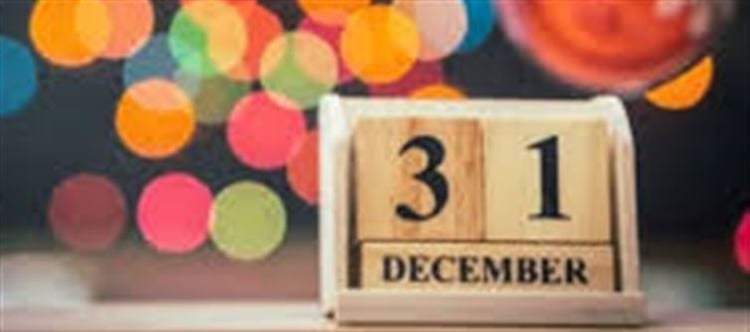

1. Global Significance: New Year’s Eve
December 31st is globally known as New Year’s Eve, marking the final day of the Gregorian calendar year.
It is celebrated across cultures with parties, fireworks, countdowns, and rituals to welcome the New Year at midnight.
The day symbolizes closure, reflection, and anticipation — people review the past year, make resolutions, and plan for the year ahead.
Common Traditions:
Countdowns at midnight – iconic celebrations include Times Square in New York City, Sydney Harbour, and London’s Big Ben.
Fireworks and light shows – marking the transition from one year to the next.
New Year’s Eve parties – gatherings with family, friends, and colleagues.
Reflection and resolutions – setting personal, professional, or spiritual goals for the upcoming year.
2. Historical Significance
While december 31st itself is not a major historical holiday, several important events have occurred on this date:
1879 – Birth of Ramana Maharshi, the indian sage (spiritual milestone for followers).
1907 – Construction of the Poughkeepsie Bridge in New York completed.
Other political and cultural events worldwide have coincided with this date, often serving as markers in historical timelines.
3. Cultural Observances Around the World
Internationally:
Hogmanay in Scotland – A major New Year festival with unique Scottish traditions such as first-footing and fire ceremonies.
Silvester in Germany, Austria, and Switzerland – Celebrated with parties and fireworks; named after Pope Sylvester I.
Religious Observances:
In Western Christianity, december 31st is the feast of Saint Sylvester.
Some communities also combine New Year’s Eve with spiritual reflection, prayer, or fasting, depending on regional customs.
Fun Facts:
Many cultures associate superstitions and rituals with New Year’s Eve, such as eating certain foods for luck (e.g., grapes in Spain, black-eyed peas in the U.S.).
Some people perform “end-of-year cleansing” rituals to leave behind misfortune and invite prosperity.
4. Social & Economic Significance
Hospitality & tourism: Restaurants, hotels, and event venues see one of the busiest nights of the year.
Entertainment industry: New movies, concerts, and broadcasts are often scheduled to coincide with New Year’s Eve.
Economic impact: Retailers and online stores offer year-end sales; travel spikes due to parties, vacations, and cultural tourism.
5. The Spirit of december 31st
Reflection: people look back on achievements, challenges, and memories of the past year.
Celebration: Communities and families gather to celebrate milestones.
Hope & Renewal: Symbolically, the day represents letting go of the old and welcoming the new.
Summary Table
Aspect
Details
Date
31 December
Global Significance
New Year’s Eve, last day of the Gregorian calendar
Religious Significance
Feast of Saint Sylvester (Christianity)
Cultural Celebrations
Hogmanay (Scotland), Silvester (Germany, Austria, Switzerland)
Traditions
Parties, fireworks, countdowns, special foods, first-footing
Symbolism
Reflection, closure, hope, new beginnings
Essentially, December 31st is a day of duality — it is both an ending and a beginning, blending celebration, reflection, and anticipation. It is one of the most widely observed days worldwide, connecting people across cultures in a shared tradition of welcoming the New Year.
Disclaimer:
The views and opinions expressed in this article are those of the author and do not necessarily reflect the official policy or position of any agency, organization, employer, or company. All information provided is for general informational purposes only. While every effort has been made to ensure accuracy, we make no representations or warranties of any kind, express or implied, about the completeness, reliability, or suitability of the information contained herein. Readers are advised to verify facts and seek professional advice where necessary. Any reliance placed on such information is strictly at the reader’s own risk.
 click and follow Indiaherald WhatsApp channel