


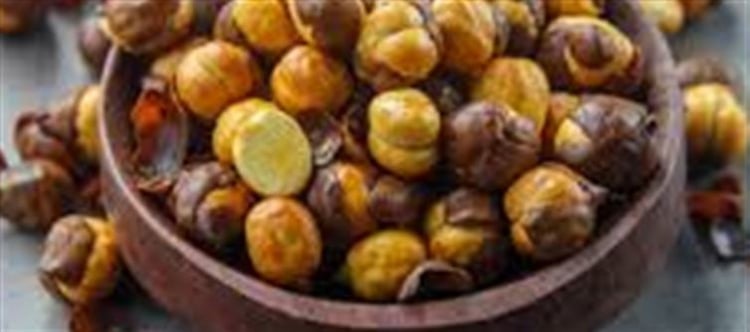

Roasted chana (gram) is a popular indian snack, often considered a healthy alternative to fried foods because it’s high in protein and fiber. However, recent reports have raised concerns about the safety of some commercially sold roasted chana that are artificially colored with yellow dye.
The Hidden Risk of Artificial Dyes
Many manufacturers use synthetic yellow dyes to make roasted chana look more appealing. These dyes are not just cosmetic—they can have serious health consequences if consumed regularly, especially by children and older adults.
Kidney Damage:
Artificial dyes can contain toxic chemicals that are hard for the kidneys to filter out. Over time, regular consumption may increase the risk of kidney stress or damage, particularly in people with pre-existing kidney conditions.
Liver Strain:
The liver is responsible for metabolizing many foreign substances, including synthetic food dyes. Frequent intake of colored chana can overwork the liver, potentially leading to inflammation or impaired liver function over time.
Other health Concerns:
Some studies suggest that artificial food colors may contribute to allergies, hyperactivity in children, and even long-term risks like oxidative stress in the body.
How to Protect Yourself
Check Labels: Look for chana products that are free from artificial colors and preservatives.
Opt for Natural Alternatives: Some brands use turmeric or other natural spices to give roasted chana a golden hue.
Homemade Snacks: Roasting your own chana at home ensures it’s free from harmful dyes and additives.
Moderation: Even if you occasionally consume dyed chana, keeping intake low reduces potential risks.
Bottom Line
While roasted chana is generally a healthy snack, artificial yellow dyes can pose serious risks to the kidneys and liver. Choosing natural or homemade options is a safer and healthier way to enjoy this protein-rich snack without compromising long-term health.
Disclaimer:
The views and opinions expressed in this article are those of the author and do not necessarily reflect the official policy or position of any agency, organization, employer, or company. All information provided is for general informational purposes only. While every effort has been made to ensure accuracy, we make no representations or warranties of any kind, express or implied, about the completeness, reliability, or suitability of the information contained herein. Readers are advised to verify facts and seek professional advice where necessary. Any reliance placed on such information is strictly at the reader’s own risk.
 click and follow Indiaherald WhatsApp channel