


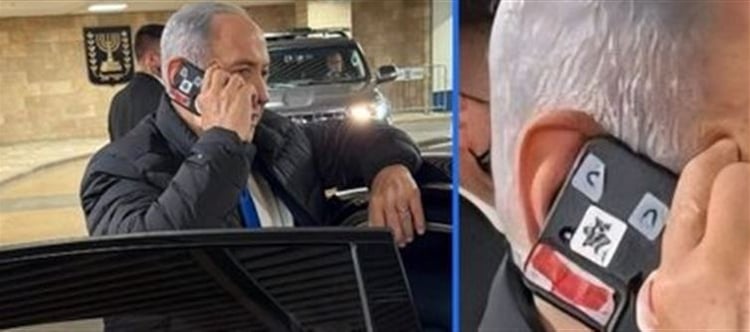

📱 The Photo That Launched a Thousand Theories
Benjamin Netanyahu is covering the camera lens on his phone.
That’s it. That’s the “mystery.”
But the internet, being the internet, immediately turned it into something bigger:
Does he know something we don’t?
Is there a secret surveillance threat?
What’s he hiding?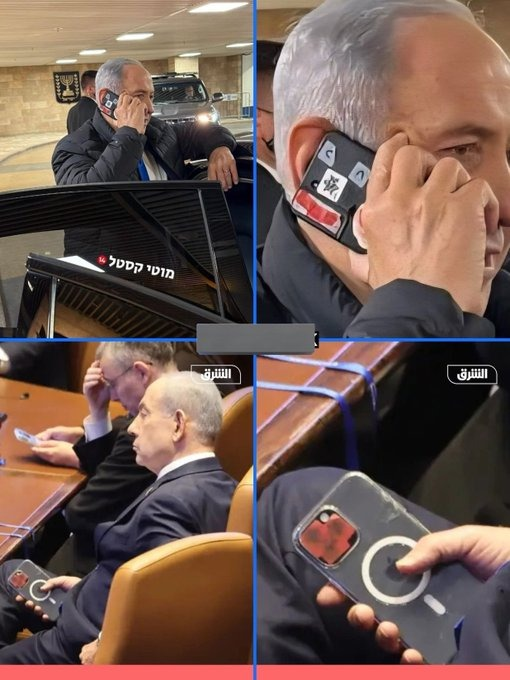
The images — circulating since at least 2024 and resurfacing again in early 2026 — show him casually blocking his phone’s camera in different settings. No dramatic expressions. No cloak-and-dagger vibes. Just tape. On a lens.
And somehow, that small piece of tape became a full-blown online thriller.
🕵️ 1. The Conspiracy Machine Never Sleeps
When a regular person covers their webcam, it’s called “being cautious.”
When a prime minister does it, suddenly it’s a subplot from a spy series.
High-profile leader + covered camera = instant suspicion.
people assume hidden intelligence briefings, secret cyber threats, and classified warnings. The leap from “privacy habit” to “global conspiracy” happens in seconds.
But sometimes… tape is just tape.
🔐 2. The Boring Truth: It’s Basic Cyber Hygiene
Here’s the reality nobody wants because it’s not dramatic enough:
Covering a camera is one of the simplest defenses against malware-based spying.
Hackers have exploited webcams and phone cameras for years. Spyware, zero-click exploits, sophisticated surveillance tools — they’re real. Governments know this. Security teams definitely know this.
And high-profile political figures are prime targets.
Blocking the lens? It’s not paranoia. It’s a standard precaution.
Plenty of CEOs do it.
Journalists do it.
Tech workers do it.
Even everyday privacy-conscious people do it.
It just doesn’t trend when your neighbor does it.
Well, Modi ji is an exception!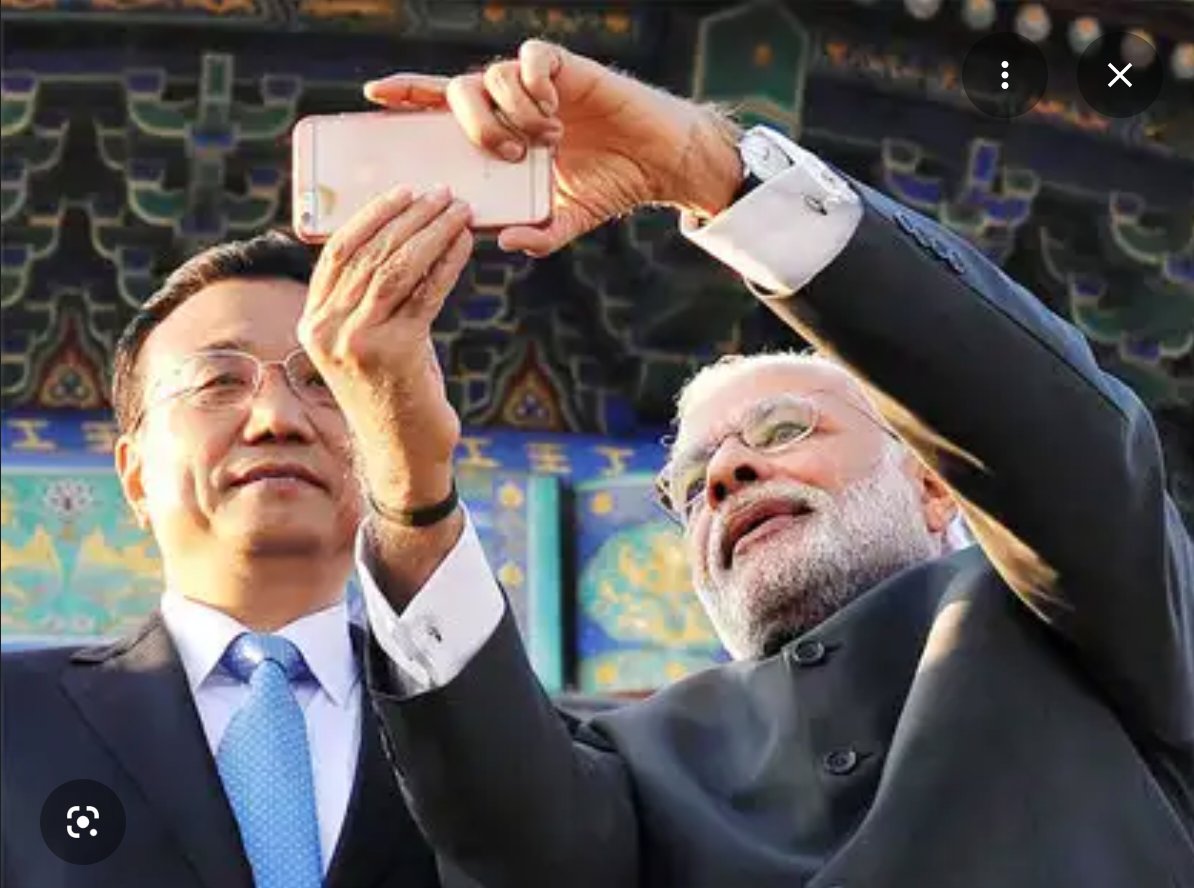
🎭 3. When Power Changes the Optics
Let’s be honest: context changes everything.
If your colleague tapes their laptop camera, you think, “Smart.”
If a world leader does it, you think, “What’s coming?”
Power amplifies symbolism. A small action from a powerful figure feels loaded, even when it isn’t. The office he holds gives ordinary behavior extraordinary weight.
That’s why it “hits different.”
Not because it’s sinister — but because authority makes everything look intentional and strategic.
🌍 4. Leaders Are High-Value Targets — Period
Political leaders sit at the intersection of national security, diplomacy, military intelligence, and global negotiations. Their devices aren’t just personal gadgets. They’re potential gateways.
Even if they don’t directly use those phones for classified work, compromise of any device can create leverage, embarrassment, or worse.
So yes — extra caution makes sense.
In fact, it would be more surprising if their security teams didn’t push for extreme privacy measures.
🔁 5. Why This Story Keeps Coming Back
The photos aren’t new. Variations have circulated since 2024. The conversation just resurfaces whenever the images trend again — like in early 2026.
And every time, the cycle repeats:
Photo goes viral → speculation explodes → theories multiply → someone points out it’s basic security.
Rinse. Repeat.
It’s less about the tape and more about how quickly we project mystery onto ordinary behavior when it involves powerful figures.
🧠 The Bigger Lesson
This isn’t about defending or attacking Netanyahu. It’s about perspective.
We live in an era where cybersecurity threats are real, surveillance tools are sophisticated, and privacy is fragile. Covering a camera is one of the simplest safeguards available.
But when a prime minister does it, we don’t see “cyber hygiene.”
We see intrigue.
Sometimes the most viral stories aren’t about hidden knowledge.
They’re about how fast we assume there must be some.
And in this case? The simplest explanation is probably the right one.
A small piece of tape.
A big imagination.
 click and follow Indiaherald WhatsApp channel