


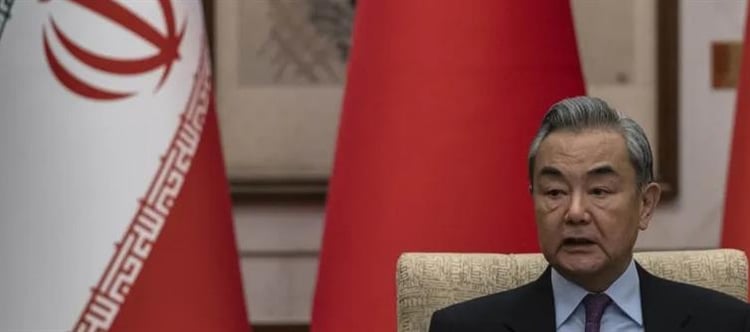

When missiles fly in the Middle east, the world doesn’t just watch — it calculates. And right now, China is calculating carefully. beijing is condemning Washington and Tel Aviv in thunderous language. It’s calling iran a friend. It’s a warning of irreversible consequences. But when it comes to real military backing? Silence. No ships. No weapons. No direct promise of retaliation support. That contrast isn’t accidental — it’s a strategy.
• No Military Commitment — Just Moral Backing
China flatly denied reports that it’s providing military support to Iran. What it’s offering instead is political sympathy and diplomatic cover. That’s a big difference — and everyone knows it.
• Blame Laid Squarely on the U.S. and Israel
Chinese Foreign minister Wang Yi didn’t mince words. He accused Washington and Tel Aviv of deliberately sabotaging nuclear negotiations and pushing the region toward chaos. Strong language. Strategic positioning.
• Oil Is the Real Pressure Point
Here’s the uncomfortable truth: china imports roughly 70% of its oil. Nearly half of that flows through the Strait of Hormuz — much of it tied to iran and gulf producers. If Hormuz closes, China’s economy feels it immediately. Stability isn’t a slogan for Beijing. It’s survival.
• Friendship With Limits
Yes, china calls iran a partner. Yes, it supports Tehran’s right to defend itself. But it stopped short of endorsing retaliation. That restraint speaks volumes.
• Balancing Power Without Burning Bridges
China wants influence in the Middle east — not entanglement. It wants discounted oil, not a naval showdown. It wants to criticize Washington — without triggering a wider war that chokes its energy lifeline.
China’s message is clear: loud condemnation, cautious commitment. In geopolitics, what isn’t said often matters more than what is. And right now, beijing is choosing its silence very carefully.
 click and follow Indiaherald WhatsApp channel