


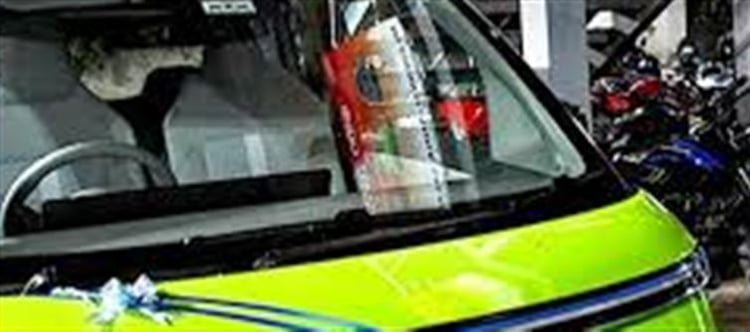

The government of india has revised the subsidy timelines under the PM Electric Drive Revolution in Innovative Vehicle Enhancement (PM E‑DRIVE) Scheme specifically for electric two‑wheelers (e2Ws) and electric three‑wheelers (e3Ws). These changes adjust how long buyers can claim financial incentives when purchasing these EVs.
🛠️ Background: What Is the PM E‑DRIVE Scheme?
The PM E‑DRIVE scheme is a flagship EV incentive programme launched by the Government of India to accelerate electric mobility adoption. It replaced earlier schemes and carries a total budget of ₹10,900 crore, covering subsidies for EV purchases and support for charging infrastructure and manufacturing.
Under the scheme, incentives are provided as upfront discounts on the purchase price of eligible electric vehicles, helping make them more affordable for consumers.
🕘 Revised Subsidy Timelines for Electric Two‑Wheelers (E2Ws)
One of the most significant revisions is to the subsidy window for electric two‑wheelers (e2Ws):
- Earlier, demand incentives for e2Ws were set to end on March 31, 2026.
- The government has now extended the subsidy period for e2Ws to July 31, 2026, giving buyers an additional four months to avail benefits.
This extension aims to provide extra support for customers who are still considering switching from petrol vehicles to electric scooters and bikes.
🛺 Continued Support for Electric Three‑Wheelers (E3Ws)
Electric three‑wheelers—including e‑rickshaws and e‑carts—will benefit from a longer support horizon:
- Subsidies for e3Ws will now be available for registrations done up to march 31, 2028.
- This significantly extends the incentive period compared with the earlier plan, which was expected to stop support in 2026.
This longer timeline reflects the government’s focus on promoting last‑mile commercial vehicles, which are key to urban logistics and shared mobility.
🎯 Why the Change? Government’s Intent
The updated timelines indicate that:
- The government wants to balance the pace of EV adoption across different vehicle categories.
- Policymakers appear to recognize continued demand and potential growth in the EV market, particularly for three‑wheelers which are widely used for commercial purposes.
Extending support for e3Ws longer than e2Ws might also help shape fleet electrification in transport and logistics sectors.
📈 Impact on Buyers & Manufacturers
📍 For Consumers:
- Buyers of electric two‑wheelers now have more time to claim subsidies before the deadline moves to July 31, 2026.
- Three‑wheeler buyers and fleet operators can plan purchases until 2028 with subsidy support.
📍 For Manufacturers and Dealers:
- The revised timelines provide clarity and extended demand visibility, allowing manufacturers to adjust production and marketing strategies.
- Dealers can continue to promote subsidised EV models for a longer period, especially e3Ws.
📌 Summary of Key Timeline Changes
Vehicle Category
Original Cut‑off (for Subsidy)
Revised Cut‑off
Electric Two‑Wheelers (E2W)
March 31, 2026
July 31, 2026
Electric Three‑Wheelers (E3W)
March 31, 2026
March 31, 2028
📍 Final Takeaway
The government’s decision to rework subsidy timelines under the PM E‑DRIVE scheme reflects an evolving strategy to promote EV adoption in India. Extending support for both e2Ws and e3Ws—especially giving a longer window to three‑wheelers—helps sustain momentum in the EV market and supports cleaner urban mobility.
Disclaimer:
The views and opinions expressed in this article are those of the author and do not necessarily reflect the official policy or position of any agency, organization, employer, or company. All information provided is for general informational purposes only. While every effort has been made to ensure accuracy, we make no representations or warranties of any kind, express or implied, about the completeness, reliability, or suitability of the information contained herein. Readers are advised to verify facts and seek professional advice where necessary. Any reliance placed on such information is strictly at the reader’s own risk.
 click and follow Indiaherald WhatsApp channel