


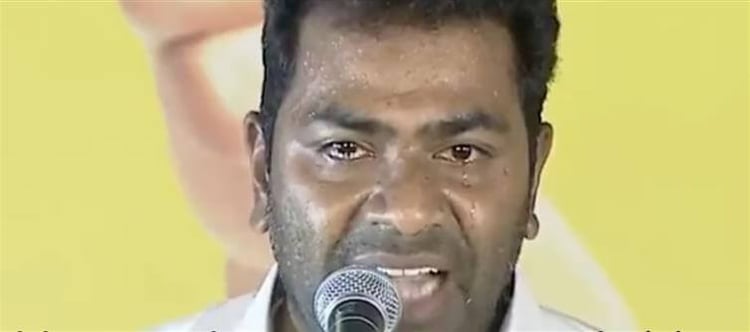

Grief is meant to be universal. Pain is meant to be human. But when compassion appears selective—loud in moments of political convenience and silent in the face of real tragedy—it raises uncomfortable, unavoidable questions. The recent outrage isn’t just about what was said, but about what wasn’t. About tears that came too late—or perhaps, for the wrong reasons.
1. A Tragedy That Didn’t Shake Enough Voices
In Karur, a devastating crowd incident claimed 41 lives—children, pregnant women, innocent people who had no idea they were walking into their final moments. The silence that followed from key figures has not been forgotten.
2. Timing That Feels Too Convenient
Now, during election season, emotion suddenly takes center stage. In Villivakkam, public tears and personal grief stories emerge. But the timing is what’s unsettling many—why now, and not then?
3. Sympathy or Strategy?
When personal tragedy is invoked in the middle of a political campaign, it invites scrutiny. Is it genuine emotion, or an appeal crafted to win hearts—and votes?
4. The Forgotten Victims
Behind the numbers are stories that never got told. Children who lost their mothers. Families are shattered without answers. people who died without even understanding why they were there.
5. Accountability Still Missing
Many believe the Karur incident itself was preventable—linked to crowd mismanagement during an event tied to Vijay’s public appearance. Yet, the focus has shifted, leaving critical questions unresolved.
The Bigger Truth
This isn’t just about one person or one moment. It’s about the value we place on human life versus political narrative. When tragedies are overshadowed by campaign optics, it sends a chilling message—that some grief is acknowledged, and some is simply… ignored.
 click and follow Indiaherald WhatsApp channel