


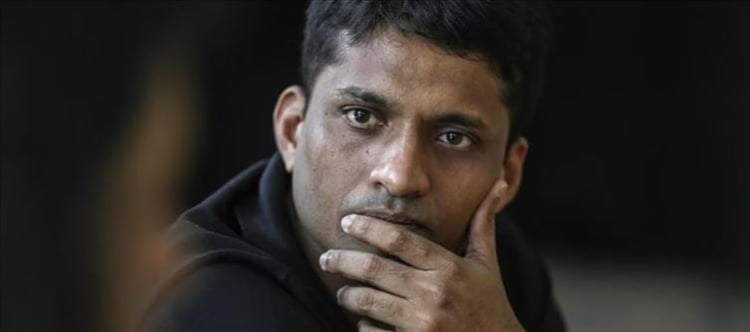

At its peak, Byju's was the crown jewel of India’s startup ecosystem—valued at $22 billion and celebrated as a global edtech powerhouse. But behind the headlines and investor hype, a very different story was unfolding. One that didn’t make it to glossy pitch decks or founder interviews.
The collapse behind the valuation:
While the company soared on paper, cracks were already visible. Rapid expansion, aggressive spending, and mounting pressure quietly pushed the business toward instability. By 2024, the fall was complete—insolvency replaced ambition.
Employees left in limbo:
Thousands of employees—around 3,500—were laid off. Many claim they never received severance. Some say even their last few months of salary never arrived. For them, the collapse wasn’t abstract—it was immediate and personal.The PF controversy raises serious questions:
Allegations surfaced that employee provident fund deductions were not deposited with the Employees' Provident Fund Organisation. Authorities have since moved forward with legal action, turning a financial issue into a potential criminal matter.Parents caught in the fallout:
Families who paid significant amounts—often between ₹50,000 and ₹2 lakh—for courses found themselves struggling to secure refunds. For many, it wasn’t just money lost, but trust.Global lenders enter the picture:
The situation escalated when U.S. lenders alleged that $1.2 billion had been moved without authorization, taking the battle into international courts and adding another layer of complexity.Two narratives, one reality:
Byju Raveendran has described himself as a victim of circumstance and conspiracy. But for employees, parents, and stakeholders still waiting for dues, the narrative feels very different.The uncomfortable truth:
In the end, when a high-flying startup crashes, the loudest voices often remain at the top. The ones at the bottom? They’re still waiting—without a platform, without closure, and without answers.
 click and follow Indiaherald WhatsApp channel