
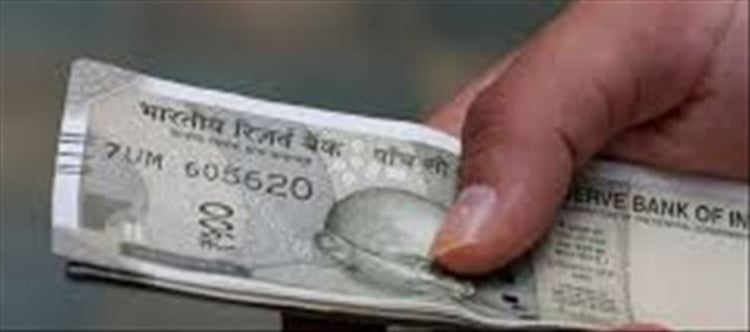


According to India's former Foreign Secretary and senior legal voices including Harish Salve, an indian passport is legally only a travel document — powerful evidence of citizenship, but not its conclusive proof. The Passport Act of 1967 and SIR rules confirm this. The distinction matters because in legal or administrative challenges to citizenship, a passport alone may not shield the holder.
Here is an uncomfortable question most of India's 15-crore-plus passport holders have never had to confront: What if the navy-blue booklet in your drawer — the one you stood in line for, paid for, and treat as your golden ticket to the world — does not actually prove you are Indian?
That is the essence of what India's former Foreign Secretary has stated publicly, and it is not a fringe opinion. It is, according to legal experts and the Ministry of External Affairs itself, the plain text of the law. As reported by News18, the former Foreign Secretary described the passport as "powerful evidence" of citizenship — but pointedly stopped short of calling it conclusive legal proof. The distinction is surgical, and it cuts deeper than most citizens realise.
What the Law Actually Says
The Passport Act of 1967 defines the indian passport as a travel document. That is its legal DNA. It facilitates movement across borders; it does not, in statutory terms, settle the question of whether you belong to the republic that issued it. This is not a loophole discovered by opposition lawyers — it is the architecture of the Act itself.
Former Solicitor General Harish Salve, in an exclusive interview reported widely, drove the point home with characteristic precision. "Read the Passport Act," he said, explaining that the Standard Instructions and Rules (SIR) governing passport issuance were not framed by the MEA or the home Ministry in isolation but flow from statutory provisions that treat the passport as exactly what it says on its cover — a laissez-passer, not a citizenship certificate.
View on X
Salve also drew a revealing parallel with Aadhaar. "Your Aadhaar card is valid unless it is rejected," he explained, according to social media reports. The implication: documents indians treat as foundational — passport, Aadhaar, voter ID — are each powerful in their domain but none is the gold standard of citizenship proof that the law demands in a contested proceeding.
View on X
If Not the Passport, Then What?
This is where the conversation gets uncomfortable — and politically charged. According to multiple reports including OpIndia and WION, the documents that can constitute proof of indian citizenship include birth certificates, ancestry records, naturalisation certificates, and documents tied to the Citizenship Act of 1955. The passport is admissible as evidence, but it is not determinative. Think of it as a strong witness, not the verdict.
View on X
For the vast majority of indians, this legal nuance will never surface in daily life. You will board flights, clear immigration, renew your booklet without anyone questioning your nationality. But for those caught in citizenship disputes — and india has seen a rising tide of such cases in the NRC-CAA era — the gap between "powerful evidence" and "conclusive proof" can be the difference between belonging and statelessness.
The Political Subtext No One Is Saying Out Loud
Every legal clarification in india lands on political soil, and this one is no exception. The MEA's statement did not arrive in a vacuum. It comes against the backdrop of the Citizenship Amendment Act, an incomplete National Register of Citizens in Assam, and recurring debates about infiltration and documentation that have defined indian politics for the better part of a decade.
The timing is instructive. When a government clarifies what a document is not, the political class hears what it could become — a gatekeeping tool or a shield, depending on which side of the verification desk you sit. Opposition voices, including AIMIM's Asaduddin Owaisi, responded sharply: if the passport is not enough, then what burden of proof will ordinary indians — especially the poor, the rural, and the historically undocumented — be expected to meet? As reported by multiple outlets, Owaisi urged critics to "read the Passport Act" themselves, echoing Salve's words but with a very different political inflection.
The ruling dispensation's implicit argument is more clinical: the law has always said this; we are merely making explicit what was always the legal position. That is technically correct. It is also politically convenient. Clarifying the passport's limits does not, by itself, create any new citizenship test — but it does establish the rhetorical and legal groundwork for a documentation regime where the passport is necessary but not sufficient.
The Fee Hike adds a Bitter Footnote
In a piece of timing that borders on satire, the government has also announced a hike in passport issuance and renewal fees effective July 1, according to Khaleej Times reporting. Citizens are now being asked to pay more for a document that the state itself says does not conclusively prove they are citizens. The irony has not been lost on social media.
View on X
What This Means Going Forward
The legal position is settled and, frankly, unremarkable in comparative jurisprudence — most democracies treat passports as travel facilitation, not citizenship adjudication. The United States, the United Kingdom, and most EU nations draw similar distinctions. india is not an outlier here.
But india is unique in one critical respect: the sheer scale of its undocumented and under-documented population. In a country where millions still lack birth certificates, where land records are contested across generations, and where bureaucratic access is deeply unequal, telling citizens that their passport is not conclusive proof of nationality is not just a legal clarification. It is a signal — and different ears hear very different things.
For the policy wonk, it is a call to strengthen the citizenship documentation framework. For the anxious citizen, it is a reason to triple-check their papers. And for the political strategist on every side, it is a new card in the oldest game in indian democracy: who belongs, who decides, and what piece of paper settles the question.
Key Takeaways
- An indian passport is legally a travel document under the Passport Act of 1967 — powerful evidence of citizenship but not its conclusive proof, as confirmed by MEA and former Solicitor General Harish Salve (News18, OpIndia).
- Documents like birth certificates, ancestry records, and naturalisation certificates under the Citizenship Act of 1955 carry greater legal weight in citizenship disputes (WION, multiple reports).
- The clarification gains political significance against the backdrop of CAA-NRC debates and rising concerns about documentation burdens on India's undocumented and under-documented populations.
- Passport issuance and renewal fees have been hiked effective July 1, 2026, adding a financial dimension to the debate (Khaleej Times).
- Former SG Harish Salve clarified that SIR rules were not unilaterally created by MEA or home Ministry but derive from statutory provisions of the Passport Act.
Frequently Asked Questions
Is a passport proof of citizenship in India?
Legally, no. Under the Passport Act of 1967, an indian passport is a travel document and serves as powerful evidence of citizenship, but it is not conclusive legal proof, as clarified by the MEA and former Solicitor General Harish Salve.
What documents prove indian citizenship?
According to the Citizenship Act of 1955, documents such as birth certificates, ancestry records, naturalisation certificates, and domicile certificates carry greater legal weight as proof of citizenship than a passport.
Why did india hike passport fees in 2026?
india announced increased passport issuance and renewal fees effective July 1, 2026. The fee hike applies to standard and tatkal services, according to Khaleej Times reporting.
Is india the strongest passport in the world?
India's passport ranking varies by index, but it typically provides visa-free or visa-on-arrival access to around 60 countries. It is not among the strongest passports globally, which are held by countries like Japan, Singapore, and EU member states.


 click and follow Indiaherald WhatsApp channel