


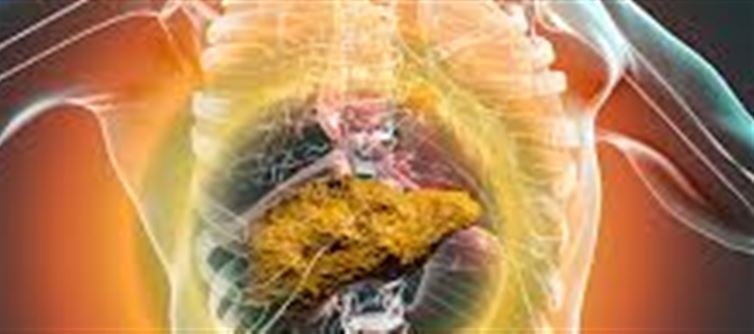

The liver, often referred to as the body’s “chemical factory,” plays a crucial role in detoxification, metabolism, and nutrient storage. Despite its remarkable ability to regenerate, the liver is vulnerable to a range of diseases that can severely impact overall health. With modern lifestyles, changing dietary habits, and increasing prevalence of viral infections, liver diseases are becoming a rising health concern worldwide. Understanding the types, causes, and preventive measures is essential to safeguard this vital organ.
The Importance of Liver Health
The liver performs over 500 essential functions, including:
Filtering toxins from the blood
Producing bile for digestion
Storing vitamins and minerals
Regulating blood sugar levels
Supporting immune function
Damage to the liver can disrupt these processes, leading to serious complications such as liver failure, cirrhosis, or even liver cancer. Early awareness and preventive care are therefore critical.
Common Liver Diseases
1. Hepatitis
Hepatitis refers to inflammation of the liver, often caused by viral infections:
Hepatitis A & E: Usually transmitted through contaminated food and water
Hepatitis B & C: Bloodborne infections that can lead to chronic liver damage
2. Fatty Liver Disease
Characterized by fat accumulation in liver cells, it has two main forms:
Non-alcoholic fatty liver disease (NAFLD): Linked to obesity, diabetes, and high cholesterol
Alcoholic fatty liver disease: Caused by excessive alcohol consumption
3. Cirrhosis
Cirrhosis involves scarring of the liver tissue due to chronic inflammation or long-term damage, impairing liver function. Common causes include chronic hepatitis, long-term alcohol abuse, and prolonged fatty liver disease.
4. Liver Cancer
Hepatocellular carcinoma is the most common form of liver cancer, often developing in patients with cirrhosis or chronic hepatitis infections.
5. Genetic and Autoimmune Disorders
Certain inherited conditions (e.g., Wilson’s disease, hemochromatosis) and autoimmune hepatitis can also compromise liver health.
Risk Factors for Liver Disease
Excessive alcohol consumption
Unhealthy diet high in fats and sugars
Obesity and metabolic syndrome
Chronic viral infections (Hepatitis B and C)
Exposure to toxins or certain medications
Sedentary lifestyle
Awareness of these risk factors can help in early identification and prevention of liver disease.
Symptoms to watch Out For
Early liver disease may show subtle or no symptoms. As the condition progresses, signs may include:
Fatigue and weakness
Jaundice (yellowing of skin and eyes)
Abdominal pain and swelling
Dark-colored urine
Nausea or vomiting
Unexplained weight loss
Regular check-ups and liver function tests are essential, especially for individuals at risk.
Preventive Measures for a Healthy Liver
1. Adopt a Liver-Friendly Diet
Include fruits, vegetables, whole grains, and lean proteins
Limit processed foods, sugary drinks, and saturated fats
Avoid excessive salt intake
Stay hydrated
2. Limit Alcohol Consumption
Moderate or eliminate alcohol intake to prevent fatty liver and cirrhosis.
3. Maintain a Healthy Weight
Obesity is a significant risk factor for NAFLD. Regular exercise and balanced nutrition help maintain optimal liver function.
4. Vaccination and Viral Protection
Vaccines are available for Hepatitis A and B
Practice safe hygiene and avoid sharing needles or personal items that may transmit infections
5. Avoid Overuse of Medications and Toxins
Limit the use of over-the-counter painkillers and certain antibiotics
Avoid unnecessary exposure to harmful chemicals or pesticides
6. Regular health Screening
Routine liver function tests and ultrasound scans can detect early liver abnormalities, allowing timely intervention.
Lifestyle Tips for Long-Term Liver Health
Engage in moderate physical activity for at least 30 minutes daily
Avoid smoking and recreational drugs
Include antioxidant-rich foods like berries, green tea, and leafy greens
Manage stress effectively, as chronic stress can indirectly impact liver function
Conclusion
Liver diseases are increasingly common, but many are preventable with informed lifestyle choices, early detection, and timely medical intervention. By prioritizing a balanced diet, regular exercise, moderation in alcohol, and proper vaccination, individuals can significantly reduce their risk. The liver’s regenerative capacity gives us a unique opportunity: with mindful care, we can maintain its health and functionality for a lifetime.
Awareness is the first step—understanding your liver and its needs can make the difference between chronic illness and a healthy, vibrant life.
Disclaimer:
The views and opinions expressed in this article are those of the author and do not necessarily reflect the official policy or position of any agency, organization, employer, or company. All information provided is for general informational purposes only. While every effort has been made to ensure accuracy, we make no representations or warranties of any kind, express or implied, about the completeness, reliability, or suitability of the information contained herein. Readers are advised to verify facts and seek professional advice where necessary. Any reliance placed on such information is strictly at the reader’s own risk.
 click and follow Indiaherald WhatsApp channel