


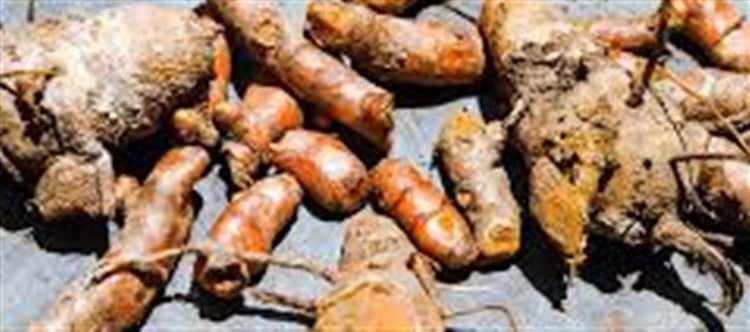

Herbal and natural supplements are often marketed as safe and beneficial, but some can actually pose serious risks to your liver and kidneys. Awareness is key to preventing long-term damage. Here’s what experts advise.
1. Kava Kava
Commonly used for anxiety and sleep problems
Linked to severe liver toxicity, including hepatitis and liver failure in some cases
Always consult a doctor before using, especially if you have pre-existing liver issues
2. green tea Extract (High-Dose)
Popular in weight-loss supplements
While drinking green tea is generally safe, concentrated extracts can cause liver inflammation
Avoid taking high doses on an empty stomach or with alcohol
3. Comfrey
Often marketed for wound healing or digestive health
Contains pyrrolizidine alkaloids, which can cause liver damage and even cirrhosis
Not recommended for internal use
4. Aristolochia
Used in some traditional remedies for arthritis or weight loss
Contains aristolochic acid, known to cause kidney failure and urinary tract cancers
Strictly avoid products containing Aristolochia
5. High-Dose vitamin A
Fat-soluble vitamin often taken for skin and eye health
Excessive intake can cause liver toxicity, nausea, and bone problems
Stick to recommended daily allowances unless supervised by a physician
6. aloe vera Juice (Internal Use)
Some people use it for constipation or skin health
Raw or high-dose aloe juice can stress kidneys and cause electrolyte imbalances
Use only processed, regulated formulations and in moderation
7. Weight-Loss or Detox “Herbal Blends”
Many marketed as “natural” fat burners or detoxifiers
Can contain multiple unknown herbs or chemicals that strain liver and kidneys
Look for clinically tested supplements with transparent ingredient labels
Key Takeaway
“Natural” does not always mean safe. Supplements can interact with medications, worsen pre-existing conditions, or cause organ damage. Always:
Check labels carefully
Consult a doctor or pharmacist before starting any supplement
Stick to clinically tested, regulated products
Disclaimer:
The views and opinions expressed in this article are those of the author and do not necessarily reflect the official policy or position of any agency, organization, employer, or company. All information provided is for general informational purposes only. While every effort has been made to ensure accuracy, we make no representations or warranties of any kind, express or implied, about the completeness, reliability, or suitability of the information contained herein. Readers are advised to verify facts and seek professional advice where necessary. Any reliance placed on such information is strictly at the reader’s own risk.
 click and follow Indiaherald WhatsApp channel