


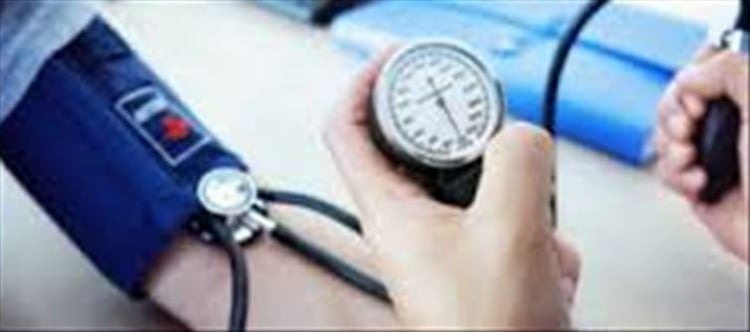

High blood pressure, also known as hypertension, is often associated only with heart disease. While it is true that hypertension significantly increases the risk of heart attacks and strokes, its impact goes far beyond the cardiovascular system. High blood pressure is a silent condition that can gradually damage multiple organs throughout the body, often without noticeable symptoms for years.
Understanding the wider effects of hypertension is essential because early management can prevent serious long-term complications.
What Is High Blood Pressure?
Blood pressure measures the force of blood pushing against artery walls as the heart pumps blood.
A normal blood pressure reading is generally around:
120/80 mmHg120/80\ \text{mmHg}120/80 mmHg
When blood pressure remains consistently elevated, the arteries and organs experience continuous strain, leading to progressive damage.
Why Hypertension Is Called the “Silent Killer”
Many people with high blood pressure feel completely normal. Symptoms may not appear until serious complications develop.
Common Risk Factors
Stress
Obesity
Smoking
Excess salt intake
Lack of physical activity
Alcohol consumption
Diabetes
Family history
Because hypertension often develops gradually, regular health checkups are extremely important.
1. High blood pressure Damages the Heart
The heart is the organ most commonly affected by hypertension.
How It Affects the Heart
When blood pressure stays high, the heart must work harder to pump blood throughout the body.
This can lead to:
Thickening of the heart muscles
Reduced pumping efficiency
Heart failure
Coronary artery disease
Increased risk of heart attack
Over time, the extra strain weakens the cardiovascular system significantly.
2. It Increases the Risk of Stroke
The brain depends on a stable blood supply. High blood pressure can weaken or damage blood vessels in the brain.
Types of Stroke Linked to Hypertension
Ischemic stroke caused by blocked blood flow
Hemorrhagic stroke caused by ruptured blood vessels
Hypertension is considered one of the leading causes of stroke worldwide.
3. High blood pressure Can Harm the Kidneys
The kidneys contain tiny blood vessels that filter waste from the blood. Elevated pressure damages these delicate vessels over time.
Possible Kidney Complications
Chronic kidney disease
Reduced kidney function
Kidney failure
Fluid retention
In severe cases, patients may require dialysis or kidney transplantation.
4. It Affects Eye Health
High blood pressure can also damage the small blood vessels in the eyes, a condition known as hypertensive retinopathy.
Eye Problems Caused by Hypertension
Blurred vision
Eye bleeding
Retinal damage
Vision loss
Long-term uncontrolled hypertension may permanently affect eyesight.
5. Brain and Cognitive Function Can Decline
Research suggests that chronic hypertension may contribute to memory problems and cognitive decline.
Possible Neurological Effects
Difficulty concentrating
Memory loss
Reduced mental sharpness
Increased risk of dementia
Reduced blood flow and damaged vessels can gradually impair brain function.
6. Hypertension Can Damage Blood Vessels Throughout the Body
Constant high pressure weakens arteries and makes them less flexible.
Effects on Blood Vessels
Narrowing of arteries
Formation of blood clots
Reduced oxygen supply to organs
Increased risk of aneurysms
Healthy blood vessels are essential for the proper functioning of every organ.
7. It May Affect Sexual Health
Hypertension can interfere with blood circulation, which may impact sexual function in both men and women.
Possible Issues
Erectile dysfunction in men
Reduced libido
Poor sexual performance
Circulatory health plays a major role in reproductive wellness.
Emotional and Mental health Impact
Living with chronic hypertension can also affect emotional well-being.
Psychological Effects
Anxiety about health complications
Stress-related blood pressure spikes
Sleep disturbances
Depression in some individuals
Mental and physical health are closely connected in hypertension management.
How to Control High Blood Pressure
The good news is that hypertension can often be managed effectively through lifestyle changes and medical care.
Healthy lifestyle Habits
1. Reduce salt Intake
Excess sodium increases blood pressure by causing fluid retention.
2. Exercise Regularly
Activities such as walking, cycling, and swimming improve heart and blood vessel health.
3. Maintain a Healthy Weight
Weight reduction can significantly lower blood pressure levels.
4. Eat a Balanced Diet
Focus on:
Fruits
Vegetables
Whole grains
Lean proteins
Low-fat dairy
5. Avoid Smoking and Excess Alcohol
Both habits damage blood vessels and increase cardiovascular risk.
6. Manage Stress
Meditation, yoga, breathing exercises, and proper sleep can help control stress-related hypertension.
Importance of Regular Monitoring
Blood pressure should be checked regularly, especially for adults over 30 or individuals with risk factors.
Doctors generally classify hypertension when readings consistently exceed:
140/90 mmHg140/90\ \text{mmHg}140/90 mmHg
Early diagnosis allows timely treatment and prevents organ damage.
When Medication Becomes Necessary
Lifestyle changes alone may not always be enough. Doctors may prescribe medications such as:
Diuretics
ACE inhibitors
Beta bloc
High blood pressure, also known as hypertension, is often associated only with heart disease. While it is true that hypertension significantly increases the risk of heart attacks and strokes, its impact goes far beyond the cardiovascular system. High blood pressure is a silent condition that can gradually damage multiple organs throughout the body, often without noticeable symptoms for years.
Understanding the wider effects of hypertension is essential because early management can prevent serious long-term complications.
What Is High Blood Pressure?
Blood pressure measures the force of blood pushing against artery walls as the heart pumps blood.
A normal blood pressure reading is generally around:
120/80 mmHg120/80\ \text{mmHg}120/80 mmHg
When blood pressure remains consistently elevated, the arteries and organs experience continuous strain, leading to progressive damage.
Why Hypertension Is Called the “Silent Killer”
Many people with high blood pressure feel completely normal. Symptoms may not appear until serious complications develop.
Common Risk Factors
Stress
Obesity
Smoking
Excess salt intake
Lack of physical activity
Alcohol consumption
Diabetes
Family history
Because hypertension often develops gradually, regular health checkups are extremely important.
1. High blood pressure Damages the Heart
The heart is the organ most commonly affected by hypertension.
How It Affects the Heart
When blood pressure stays high, the heart must work harder to pump blood throughout the body.
This can lead to:
Thickening of the heart muscles
Reduced pumping efficiency
Heart failure
Coronary artery disease
Increased risk of heart attack
Over time, the extra strain weakens the cardiovascular system significantly.
2. It Increases the Risk of Stroke
The brain depends on a stable blood supply. High blood pressure can weaken or damage blood vessels in the brain.
Types of Stroke Linked to Hypertension
Ischemic stroke caused by blocked blood flow
Hemorrhagic stroke caused by ruptured blood vessels
Hypertension is considered one of the leading causes of stroke worldwide.
3. High blood pressure Can Harm the Kidneys
The kidneys contain tiny blood vessels that filter waste from the blood. Elevated pressure damages these delicate vessels over time.
Possible Kidney Complications
Chronic kidney disease
Reduced kidney function
Kidney failure
Fluid retention
In severe cases, patients may require dialysis or kidney transplantation.
4. It Affects Eye Health
High blood pressure can also damage the small blood vessels in the eyes, a condition known as hypertensive retinopathy.
Eye Problems Caused by Hypertension
Blurred vision
Eye bleeding
Retinal damage
Vision loss
Long-term uncontrolled hypertension may permanently affect eyesight.
5. Brain and Cognitive Function Can Decline
Research suggests that chronic hypertension may contribute to memory problems and cognitive decline.
Possible Neurological Effects
Difficulty concentrating
Memory loss
Reduced mental sharpness
Increased risk of dementia
Reduced blood flow and damaged vessels can gradually impair brain function.
6. Hypertension Can Damage Blood Vessels Throughout the Body
Constant high pressure weakens arteries and makes them less flexible.
Effects on Blood Vessels
Narrowing of arteries
Formation of blood clots
Reduced oxygen supply to organs
Increased risk of aneurysms
Healthy blood vessels are essential for the proper functioning of every organ.
7. It May Affect Sexual Health
Hypertension can interfere with blood circulation, which may impact sexual function in both men and women.
Possible Issues
Erectile dysfunction in men
Reduced libido
Poor sexual performance
Circulatory health plays a major role in reproductive wellness.
Emotional and Mental health Impact
Living with chronic hypertension can also affect emotional well-being.
Psychological Effects
Anxiety about health complications
Stress-related blood pressure spikes
Sleep disturbances
Depression in some individuals
Mental and physical health are closely connected in hypertension management.
How to Control High Blood Pressure
The good news is that hypertension can often be managed effectively through lifestyle changes and medical care.
Healthy lifestyle Habits
1. Reduce salt Intake
Excess sodium increases blood pressure by causing fluid retention.
2. Exercise Regularly
Activities such as walking, cycling, and swimming improve heart and blood vessel health.
3. Maintain a Healthy Weight
Weight reduction can significantly lower blood pressure levels.
4. Eat a Balanced Diet
Focus on:
Fruits
Vegetables
Whole grains
Lean proteins
Low-fat dairy
5. Avoid Smoking and Excess Alcohol
Both habits damage blood vessels and increase cardiovascular risk.
6. Manage Stress
Meditation, yoga, breathing exercises, and proper sleep can help control stress-related hypertension.
Importance of Regular Monitoring
Blood pressure should be checked regularly, especially for adults over 30 or individuals with risk factors.
Doctors generally classify hypertension when readings consistently exceed:
140/90 mmHg140/90\ \text{mmHg}140/90 mmHg
Early diagnosis allows timely treatment and prevents organ damage.
When Medication Becomes Necessary
Lifestyle changes alone may not always be enough. Doctors may prescribe medications such as:
Diuretics
ACE inhibitors
Beta blockers
Calcium channel blockers
Patients should always follow medical advice and avoid stopping medication suddenly.
Final Thoughts
High blood pressure is much more than just a heart problem. It can silently damage the brain, kidneys, eyes, arteries, and many other organs over time. Because symptoms are often absent in the early stages, millions of people remain unaware that they have hypertension.
The good news is that hypertension is manageable with healthy habits, regular monitoring, and proper medical care. Early action can protect not only the heart but the entire body from serious complications.
Disclaimer:
The views and opinions expressed in this article are those of the author and do not necessarily reflect the official policy or position of any agency, organization, employer, or company. All information provided is for general informational purposes only. While every effort has been made to ensure accuracy, we make no representations or warranties of any kind, express or implied, about the completeness, reliability, or suitability of the information contained herein. Readers are advised to verify facts and seek professional advice where necessary. Any reliance placed on such information is strictly at the reader’s own risk.
kers
Calcium channel blockers
Patients should always follow medical advice and avoid stopping medication suddenly.
Final Thoughts
High blood pressure is much more than just a heart problem. It can silently damage the brain, kidneys, eyes, arteries, and many other organs over time. Because symptoms are often absent in the early stages, millions of people remain unaware that they have hypertension.
The good news is that hypertension is manageable with healthy habits, regular monitoring, and proper medical care. Early action can protect not only the heart but the entire body from serious complications.
Disclaimer:
The views and opinions expressed in this article are those of the author and do not necessarily reflect the official policy or position of any agency, organization, employer, or company. All information provided is for general informational purposes only. While every effort has been made to ensure accuracy, we make no representations or warranties of any kind, express or implied, about the completeness, reliability, or suitability of the information contained herein. Readers are advised to verify facts and seek professional advice where necessary. Any reliance placed on such information is strictly at the reader’s own risk.
 click and follow Indiaherald WhatsApp channel