


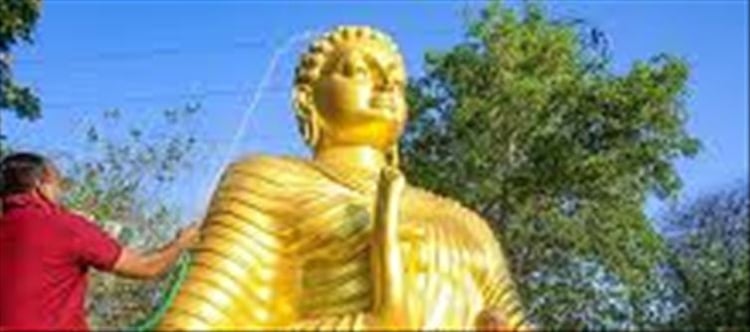

A rare and spiritually significant event is taking place in Ladakh, as the sacred relics of Lord Buddha have arrived in Leh for a public exposition. The event has drawn large attention from devotees, monks, and visitors across the region.
The exposition is being organized with participation from local administration and Buddhist organisations, reflecting the deep cultural and spiritual importance of buddhism in Ladakh.
🕊️ What Are the Sacred Relics?
The relics of Lord buddha are considered highly sacred remains associated with Gautama Buddha, preserved and venerated by Buddhist communities worldwide.
They are:
- Treated as objects of deep reverence
- Displayed only on special occasions
- Believed to inspire peace, compassion, and mindfulness
📍 Event in Leh
- 📌 Location: Leh, Ladakh
- 🙏 Occasion: Public exposition of buddha relics
- 🏛️ Organised by: Administration in coordination with Buddhist institutions
- 👥 Attended by: Large number of monks, devotees, and locals
The exposition allows the public to offer prayers and pay respects to the sacred relics.
🗣️ Statement by lg Ladakh
Lieutenant governor of Ladakh has highlighted that:
- The event promotes peace, harmony, and spiritual unity
- It reflects Ladakh’s strong Buddhist cultural heritage
- Such occasions strengthen community bonding and religious harmony
🧘 Significance of the Event
This rare exposition is important because it:
- Strengthens Buddhist spiritual traditions in Ladakh
- Attracts pilgrims and visitors from across regions
- Promotes cultural tourism in the Union Territory
- Encourages values of non-violence and compassion
🌄 Why Ladakh is Important in Buddhism
Ladakh has long been a key centre of Tibetan buddhism, known for:
- Ancient monasteries like Hemis, Thiksey, and Diskit
- Strong monastic traditions
- Deep cultural ties with Himalayan Buddhist practices
Events like this further highlight its spiritual importance.
🧠 Final Takeaway
The arrival of Lord Buddha’s sacred relics in Leh is not just a religious event but also a symbol of peace, cultural heritage, and unity for the region. It holds deep spiritual meaning for devotees and strengthens Ladakh’s identity as a major Buddhist centre.
Disclaimer:
The views and opinions expressed in this article are those of the author and do not necessarily reflect the official policy or position of any agency, organization, employer, or company. All information provided is for general informational purposes only. While every effort has been made to ensure accuracy, we make no representations or warranties of any kind, express or implied, about the completeness, reliability, or suitability of the information contained herein. Readers are advised to verify facts and seek professional advice where necessary. Any reliance placed on such information is strictly at the reader’s own risk.
 click and follow Indiaherald WhatsApp channel