


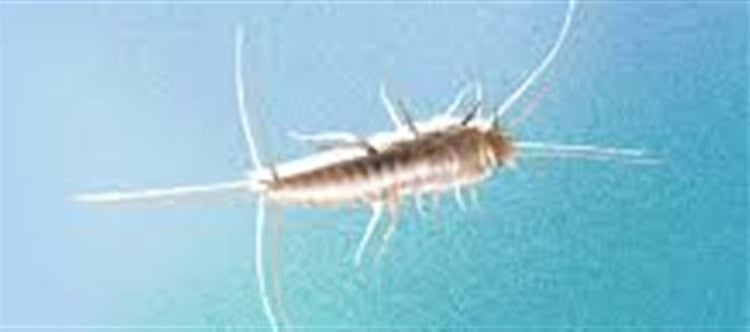

Silverfish are common household pests that often go unnoticed until they cause damage to books, clothes, and paper items. Luckily, you can tackle them quickly with these easy DIY hacks.
1. Use Boric Acid Powder ⚪
· Sprinkle boric acid in areas where silverfish are spotted, such as under sinks, along skirting boards, and in cupboards.
· It acts as a poison for insects, effectively reducing their population.
· Keep it out of reach of children and pets.
2. Diatomaceous Earth (Food Grade) 🌿
· Spread food-grade diatomaceous earth in corners, behind furniture, and along walls.
· It damages the exoskeleton of silverfish, leading to dehydration and death.
· Safe for humans but deadly for insects.
3. Cedarwood or Cloves Trick 🌲
· Silverfish dislike strong smells like cedarwood and cloves.
· Place cedarwood blocks or cloves in wardrobes, drawers, and cupboards.
· Works as a natural deterrent without chemicals.
4. Sticky Traps or DIY Traps 🪤
· Place sticky traps in areas frequented by silverfish.
· DIY option: Use a small jar with bread and petroleum jelly around the rim—silverfish climb in but cannot escape.
· Effective for monitoring and reducing populations.
5. Reduce Moisture & Improve Ventilation 💨
· Silverfish thrive in damp, dark areas.
· Use dehumidifiers, fix leaks, and increase airflow in basements, bathrooms, and kitchens.
· Keeping areas dry prevents infestations naturally.
✅ Extra Tips:
· Regularly vacuum corners, bookshelves, and cupboards.
· Store clothes and papers in sealed containers.
· Avoid leaving cardboard boxes and paper clutter on the floor.
Bottom Line:
With these 5 DIY hacks—boric acid, diatomaceous earth, cedarwood, traps, and moisture control—you can quickly and effectively get rid of silverfish while keeping your home safe and clean.
Disclaimer:
The views and opinions expressed in this article are those of the author and do not necessarily reflect the official policy or position of any agency, organization, employer, or company. All information provided is for general informational purposes only. While every effort has been made to ensure accuracy, we make no representations or warranties of any kind, express or implied, about the completeness, reliability, or suitability of the information contained herein. Readers are advised to verify facts and seek professional advice where necessary. Any reliance placed on such information is strictly at the reader’s own risk..jpg)
 click and follow Indiaherald WhatsApp channel