


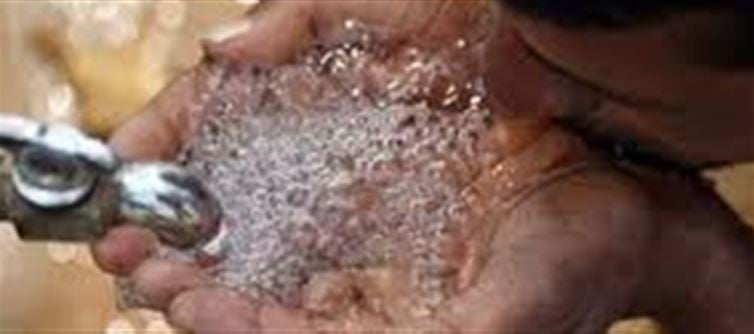

Access to safe drinking water is still a major challenge in India. While millions rely on filtered or bottled water, a few cities have achieved tap water quality safe enough for direct consumption. One such city often cited is Pune, thanks to advanced treatment and distribution systems.
1. Drinking Water Challenges in India
· Contaminated Water Risks: Many cities face bacterial, viral, and chemical contamination in water supply
· Health Hazards: Unsafe water can cause cholera, diarrhea, typhoid, and even death
· Tragic Incidents: Even cities hailed as clean, like Indore’s Bhagirathpura, have witnessed deaths due to unsafe tap water
This shows that cleanliness awards don’t always guarantee safe drinking water.
2. Why Drinking Tap Water Is Rare in India
1. Aging Infrastructure: Old pipes and poor maintenance cause contamination during distribution
2. Lack of Monitoring: Many municipalities don’t test water regularly
3. Industrial & Sewage Pollution: Nearby factories or untreated sewage can contaminate water sources
4. Public Awareness: Many people still boil or filter water before drinking
Because of these factors, directly drinking tap water is uncommon in India.
3. Cities Where Tap Water is Safe
· Pune: Often considered India’s only city where tap water is reliably safe to drink
o Water goes through modern filtration and chlorination
o Regular quality checks and maintenance ensure safety
· Other Contenders: Some smart cities are improving, but direct drinking without filtration is rare
Pune’s example shows that with the right infrastructure and vigilance, safe tap water is achievable.
4. The Bhagirathpura Tragedy in Indore
· Despite Indore being India’s cleanest city, residents of Bhagirathpura faced deaths after consuming contaminated tap water
· Causes: Likely pipeline contamination, poor water quality monitoring, or faulty treatment
· Lesson: Even top-ranked cities must prioritize water safety over awards
This incident is a stark reminder that water quality management cannot be neglected.
5. How to Ensure Safe Tap Water at Home
1. Boil Water: Especially if the water source is unknown
2. Use Water Filters: Reverse osmosis (RO) or UV filters for added safety
3. Check local Water Quality Reports: Municipalities release monthly water testing reports
4. Avoid Storage in Unclean Containers: Contamination can happen during storage
Even in cities with safe water, taking precautions ensures maximum safety.
Conclusion
While drinking tap water directly is rare in India, cities like Pune have shown it is possible with proper treatment, monitoring, and infrastructure. Incidents like Bhagirathpura in Indore highlight that even celebrated clean cities are not immune to water hazards, making awareness and vigilance essential.
Key Takeaways:
· Safe tap water is exceptionally rare in India
· Pune is often cited as the only city with reliable tap water for direct consumption
· Infrastructure, monitoring, and maintenance are crucial for water safety
· Even clean cities like Indore can face contamination crises
· Residents should take precautions such as boiling or filtering water
This shows that access to truly safe tap water remains a milestone achievement in India’s urban planning.
Disclaimer:
The views and opinions expressed in this article are those of the author and do not necessarily reflect the official policy or position of any agency, organization, employer, or company. All information provided is for general informational purposes only. While every effort has been made to ensure accuracy, we make no representations or warranties of any kind, express or implied, about the completeness, reliability, or suitability of the information contained herein. Readers are advised to verify facts and seek professional advice where necessary. Any reliance placed on such information is strictly at the reader’s own risk.
 click and follow Indiaherald WhatsApp channel