
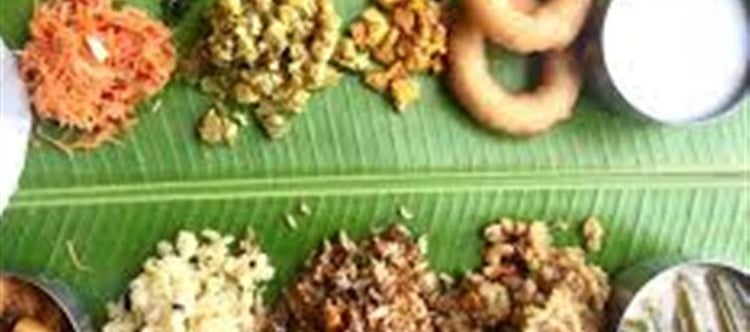


Pongal is not just a harvest festival; it is also a celebration of food and agricultural abundance. The festival’s culinary traditions revolve around freshly harvested rice, sugarcane, and other seasonal produce. Each day of pongal has specific dishes, but certain foods are considered central to the celebration.
1. Sweet pongal (Sakkarai Pongal)
- Main Dish: The most iconic dish of pongal is Sakkarai Pongal, a sweet rice dish cooked with newly harvested rice, jaggery (unrefined sugar), milk, and ghee.
- Symbolism: The dish is cooked in a clay pot and allowed to boil over, which symbolizes abundance, prosperity, and overflowing blessings.
- Preparation: Cardamom, cashews, and raisins are often added to enhance flavor. Sweet pongal is traditionally offered to the sun God (Surya) as a thanksgiving before being shared with family and guests.
2. Ven pongal (Salted Pongal)
- Main Dish: Another staple is Ven Pongal, a savory rice and lentil dish seasoned with black pepper, cumin seeds, ginger, curry leaves, and ghee.
- Significance: Ven pongal is typically prepared for breakfast or lunch on the main festival day, representing nourishment and sustenance for the hardworking farmers and their families.
3. Sugarcane
- Fresh sugarcane sticks are an integral part of Pongal. They are chewed raw and sometimes used to decorate the Pongal pot, symbolizing sweetness and prosperity.
4. Other Traditional Foods
- Medu Vada and Payasam: Crisp vadas and sweet milk puddings are often made for festive meals.
- Bananas and Coconut: These are offered to deities along with pongal dishes as a sign of gratitude and purity.
- Savory Snacks and Sundal: Chickpea or lentil-based snacks may be prepared for guests and community gatherings.
5. Regional Variations
- While Sakkarai pongal and Ven Pongal are the main dishes across tamil Nadu, some families include curd rice, paruppu (dal), and chutneys to complement the festive meal.
- Mattu pongal Day: Special treats for cattle, like sugarcane and jaggery-based sweets, are offered as part of honoring the animals.
Summary
During pongal, the focus is on fresh, seasonal, and home-cooked foods. The central dish, Sakkarai Pongal, along with Ven pongal, sugarcane, and other accompaniments, represents abundance, gratitude, and sharing. Every bite symbolizes thankfulness to nature, the sun God, and the fruits of the harvest, making the festival both culinary and spiritual.
Disclaimer:
The views and opinions expressed in this article are those of the author and do not necessarily reflect the official policy or position of any agency, organization, employer, or company. All information provided is for general informational purposes only. While every effort has been made to ensure accuracy, we make no representations or warranties of any kind, express or implied, about the completeness, reliability, or suitability of the information contained herein. Readers are advised to verify facts and seek professional advice where necessary. Any reliance placed on such information is strictly at the reader’s own risk.
 click and follow Indiaherald WhatsApp channel