


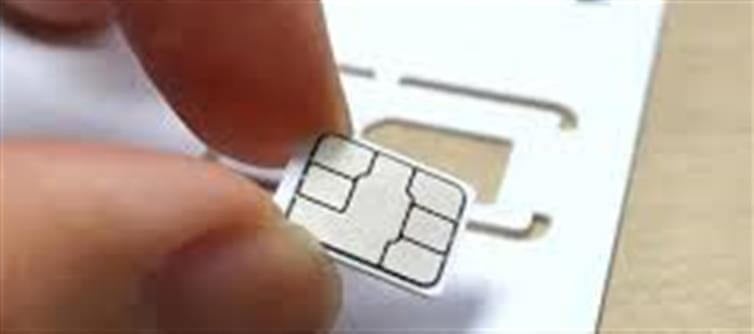

Starting february 2026, a significant change is set to impact mobile users and messaging services in India. The indian government is planning to implement a new SIM binding rule that will affect the way people use whatsapp and other similar communication platforms. This new regulation aims to improve security and curb the rising threats of fraud and misuse of mobile numbers for malicious activities. However, it also brings with it challenges and adjustments for millions of users across the country.
What is the SIM Binding Rule?
The SIM binding rule is part of a broader initiative by the indian government to link SIM cards to a user’s personal identification more strictly, primarily to combat issues like cybercrime, identity theft, and fraud. Under the new rules, users will need to authenticate their SIM cards with a valid ID (such as Aadhaar or passport) in a more stringent manner. This would mean that each SIM card would be uniquely linked to an individual’s identity, not just their phone number.
The key component of this new rule is that users will be required to link their mobile number to their SIM card through a more robust and mandatory identification process. This will create a stronger connection between a person’s mobile number and their actual identity, making it easier for authorities to trace fraudulent activities or illegal behavior.
How Will This Affect whatsapp Users?
WhatsApp, being one of the most popular messaging platforms in India, will be directly impacted by the SIM binding rule. The platform currently allows users to register their phone numbers with just an SMS-based verification process. However, with the new SIM binding rule, the whatsapp registration process could be much more stringent.
Phone Number Registration with Valid ID:
Under the SIM binding rule, users may be required to provide a government-issued ID (such as Aadhaar or passport) during the registration of a new number for WhatsApp. This means that users will need to ensure that their mobile number is properly linked to their identity to continue using WhatsApp. This could pose challenges, especially for people who have not yet linked their SIM card with a valid ID or those who are using non-compliant numbers.
Linking Multiple Accounts:
WhatsApp users who currently use multiple accounts on one phone (either through dual SIM cards or whatsapp Business) might face new challenges. The government’s new regulations will likely affect those who use multiple SIM cards under different names or identities, which could impact business owners, freelancers, and other individuals who rely on using multiple phone numbers for different accounts.
Stricter Verification for Number Portability:
Users who wish to port their mobile number (change carriers without changing their number) may face stricter verification processes for WhatsApp. The SIM binding rule may require that the new carrier link the SIM card to the user’s identity before whatsapp accounts can be transferred or activated with that number. This could lead to delays or additional steps for those who frequently change mobile carriers.
Potential for Account Deactivation:
If the SIM binding process is not properly followed or if there is any mismatch between a user’s phone number and identity, there could be a risk of whatsapp accounts being temporarily or permanently deactivated. Users might need to update their mobile details with the platform to ensure continuous access to their account.
Why Is the SIM Binding Rule Being Implemented?
The primary motivation behind this new regulation is security. With the increasing number of mobile-based scams, fraudulent activities, and online crimes, the government is aiming to make it easier for law enforcement to track perpetrators. The SIM binding rule is part of a larger effort to ensure that mobile communication channels, including apps like whatsapp, are used only by legitimate individuals.
Combating Fraud and Identity Theft:
One of the biggest problems in India’s telecom sector is the rise in fraudulent activities. mobile numbers have been used for scams, phishing, and fraudulent transactions, especially in the wallet PLATFORM' target='_blank' title='digital-Latest Updates, Photos, Videos are a click away, CLICK NOW'>digital payment space. By linking SIM cards to valid identification, the government aims to reduce these illegal practices.
Enhancing Security for wallet PLATFORM' target='_blank' title='digital-Latest Updates, Photos, Videos are a click away, CLICK NOW'>digital Communication:
With the rise of wallet PLATFORM' target='_blank' title='digital-Latest Updates, Photos, Videos are a click away, CLICK NOW'>digital communication platforms like whatsapp, the need for greater security has become urgent. SIM binding would add an extra layer of authentication to ensure that people using mobile numbers for communication are traceable, helping prevent the spread of fake news, cyberbullying, and other harmful activities.
Aadhaar Integration:
The new regulation will likely involve a more direct integration of mobile numbers with the Aadhaar database, which is India’s national identification system. This will make it easier to verify the identity of mobile users and reduce the number of SIM cards issued under fake identities.
Potential Challenges of SIM Binding:
While the government’s initiative has its benefits, it also raises several concerns and challenges for users and businesses alike.
Privacy Concerns:
Linking a user’s mobile number to their personal ID could raise privacy concerns, particularly regarding the storage and use of personal data. There may be fears about data breaches or unauthorized access to sensitive information.
Access Issues in Rural Areas:
In rural or remote areas, where people may not have easy access to government IDs or the infrastructure to update their SIM cards, there may be significant challenges in complying with the new rule. This could create a wallet PLATFORM' target='_blank' title='digital-Latest Updates, Photos, Videos are a click away, CLICK NOW'>digital divide, where people without proper documentation are unable to continue using mobile services like WhatsApp.
Technical and Logistical Challenges:
The implementation of SIM binding may require significant technological upgrades from telecom operators and messaging platforms like WhatsApp. This could cause delays or errors in the verification process, leading to potential disruptions in service.
Impact on Users with Multiple Accounts:
For people who use multiple phone numbers or have different accounts for personal and business purposes, the SIM binding rule may complicate the management of these accounts. They may need to go through more verification steps and possibly face difficulties in using services like whatsapp Business.
What Should Users Do?
With the new SIM binding rule set to come into effect in february 2026, it’s important for mobile users to begin preparing. Here are a few steps users can take:
- Ensure Your SIM Card Is Linked to a Valid ID: If your mobile number is not yet linked to your Aadhaar or another valid form of identification, now is the time to do so. Visit your telecom provider's store to ensure that your SIM is properly updated.
- Update whatsapp Details: For users who might need to update their whatsapp registration or verify their identity, it’s a good idea to check your account details and ensure that everything is in order before the new regulations come into force.
- Keep Documentation Handy: If you have multiple SIM cards, ensure that all of them are linked to valid identification documents to avoid any disruptions in service when the new rules kick in.
Conclusion:
The SIM binding rule, which will be enforced from february 2026, is set to bring major changes for whatsapp and other mobile users in India. While the government’s intent to improve security and curb fraud is clear, it’s important for users to stay informed and prepared for the transition. Though the move promises to make wallet PLATFORM' target='_blank' title='digital-Latest Updates, Photos, Videos are a click away, CLICK NOW'>digital communications safer, it may also present new challenges in terms of privacy, accessibility, and technical adjustments. As we approach the rollout, it will be crucial for both the telecom industry and messaging platforms like whatsapp to ensure a smooth and transparent implementation.
Disclaimer:
The views and opinions expressed in this article are those of the author and do not necessarily reflect the official policy or position of any agency, organization, employer, or company. All information provided is for general informational purposes only. While every effort has been made to ensure accuracy, we make no representations or warranties of any kind, express or implied, about the completeness, reliability, or suitability of the information contained herein. Readers are advised to verify facts and seek professional advice where necessary. Any reliance placed on such information is strictly at the reader’s own risk.
 click and follow Indiaherald WhatsApp channel