


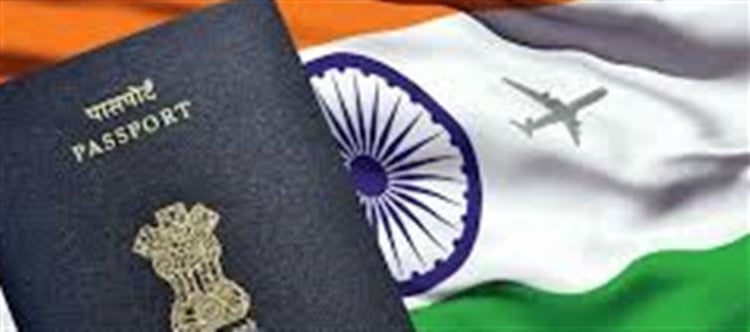

The Government of India has rolled out next‑generation e‑Passports — modern passports embedded with a secure electronic chip that stores your personal and biometric information. This new system is transforming how indians travel abroad and is designed to reduce wait times and improve security at immigration counters worldwide.
📘 What Is an e‑Passport?
An e‑Passport (also called a chip‑enabled passport) looks like a regular indian passport but contains a small RFID chip and antenna embedded in the cover. The chip securely stores:
- Your biographic data (name, date of birth, etc.)
- Your biometric data such as your photograph and fingerprints
- Personal information signed and encrypted to international standards
This chip allows immigration systems in many countries to verify your identity within seconds, speeding up arrival and departure procedures.
🛂 Faster Immigration — No Long Queues
One of the biggest benefits of e‑Passports is the significantly quicker immigration clearance:
✅ Border systems scan the chip instantly
✅ Manual checks are reduced
✅ Queues move faster, especially at major airports
Travel hubs in countries like United Arab Emirates, Singapore and Australia that support chip reading can process e‑Passport holders smoother and quicker — making international travel more convenient.
📍 Where Is the e‑Passport Available?
The rollout began in 2024 and has been expanding nationwide:
🌍 Issued in regional passport offices in major cities including Chennai, Delhi, Hyderabad, Jaipur, Goan, and more.
📍 By mid‑2025, most Passport Seva Kendras across india started issuing e‑Passports, and services continue expanding.
✈️ indian missions abroad (e.g., in the UAE) also issue e‑Passports under a new Passport Seva 2.0 programme.
💡 No Extra Cost — Same Fees as Regular Passports
The fee for an e‑Passport remains the same as a regular passport. You don’t pay extra just because it has a chip — the difference lies in the technology and travel convenience.
📝 How to Apply for an e‑Passport
Applying for an e‑Passport is similar to a regular passport application:
Register online at the Passport Seva portal.
Fill in your personal details and upload an ICAO‑compliant photo and signature.
Book an appointment at your chosen Passport Seva Kendra.
Attend the appointment for verification and biometric data capture (if required).
Track your passport status online.
The new system helps streamline processing and can cut down waiting times at offices.
🔐 Strong Security & Global Standards
Because the chip stores your biometric data securely and complies with international standards (ICAO), e‑Passports:
- Are harder to forge or tamper with
- Provide strong identity authentication
- Work smoothly with automated immigration gates in many countries
This makes them safer and future‑ready as travel becomes more digital.
✈️ What About Old Passports?
Traditional (non‑chip) passports remain valid until they expire. You don’t need to rush to replace them — but if you travel frequently or want the faster clearance and added security, upgrading at renewal is recommended.
✅ Bottom Line: India’s e‑Passport initiative makes international travel safer, smoother, and faster. With chip technology and modern wallet PLATFORM' target='_blank' title='digital-Latest Updates, Photos, Videos are a click away, CLICK NOW'>digital systems, you’re less likely to wait in long lines at immigration — marking a major leap forward in travel convenience for indian citizens.
Disclaimer:
The views and opinions expressed in this article are those of the author and do not necessarily reflect the official policy or position of any agency, organization, employer, or company. All information provided is for general informational purposes only. While every effort has been made to ensure accuracy, we make no representations or warranties of any kind, express or implied, about the completeness, reliability, or suitability of the information contained herein. Readers are advised to verify facts and seek professional advice where necessary. Any reliance placed on such information is strictly at the reader’s own risk.
 click and follow Indiaherald WhatsApp channel