


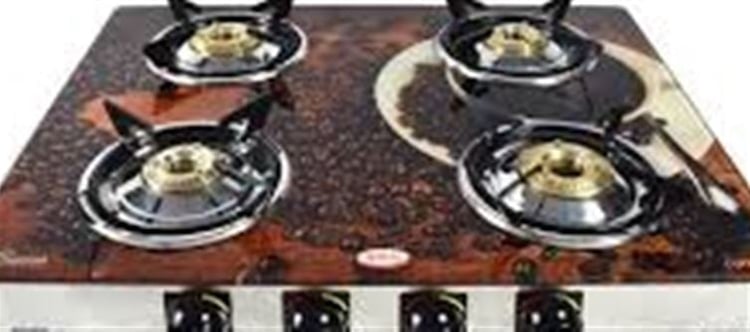

Understanding the LPG consumption of a gas stove helps households plan cylinder usage efficiently and avoid unexpected shortages, especially during times of limited supply.
Typical LPG Consumption of a Gas Stove
The amount of LPG a gas stove consumes depends on several factors:
- Number of burners used
- Burner size and flame intensity
- Cooking duration
On average:
- A single domestic burner consumes about 0.2 to 0.3 kg of LPG per hour at medium flame.
- Using two burners simultaneously may double the consumption to roughly 0.4 to 0.6 kg per hour.
- High flame settings or continuous boiling for long durations can increase consumption slightly.
Monthly Cylinder Usage Estimation
A standard domestic LPG cylinder in india contains 14.2 kg of LPG. Using average consumption rates:
- Cooking 1–2 hours daily on a single burner may consume around 6–9 kg per month, roughly half a cylinder.
- Families using multiple burners or cooking extensively may require a full cylinder per month.
Factors Affecting LPG Consumption
Cookware Type: Heavy-bottomed or pressure cookers retain heat better, reducing gas use.
Flame Efficiency: Adjusting the flame to match the pan size reduces wastage.
Cooking Habits: Longer simmering or repeated boiling increases LPG usage.
Gas Stove Condition: Older stoves may have inefficient burners, consuming more gas.
Tips to Reduce LPG Consumption
- Use pressure cookers for faster cooking.
- Match flame size to the size of the vessel.
- Cover pans with lids to retain heat.
- Regularly clean burners for efficient flame output.
Conclusion
A domestic gas stove typically uses 0.2–0.3 kg of LPG per burner per hour, and understanding this helps households plan cylinder usage and avoid shortages. Efficient cooking practices can further reduce consumption and save money.
Disclaimer:
The views and opinions expressed in this article are those of the author and do not necessarily reflect the official policy or position of any agency, organization, employer, or company. All information provided is for general informational purposes only. While every effort has been made to ensure accuracy, we make no representations or warranties of any kind, express or implied, about the completeness, reliability, or suitability of the information contained herein. Readers are advised to verify facts and seek professional advice where necessary. Any reliance placed on such information is strictly at the reader’s own risk.
 click and follow Indiaherald WhatsApp channel