


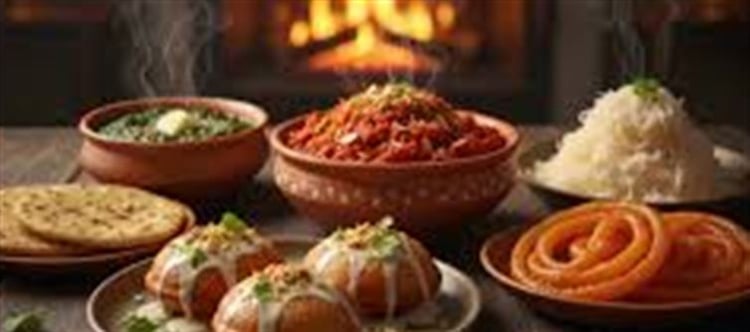

Winter in india isn’t just about chilly mornings and foggy evenings—it’s a season of food, warmth, and tradition. Across regions, people indulge in special winter dishes that are comforting, hearty, and often packed with nutrients. Here are 5 iconic indian winter foods that truly warm the soul.
1. Gajar Ka Halwa (Carrot Pudding)
· Why it’s perfect for winter: Carrots are in season, rich in beta-carotene and fiber, and the dessert is cooked with ghee and milk, providing warmth and energy.
· Tips to make it healthier: Use low-fat milk or jaggery instead of sugar for a lighter version.
· Serving suggestion: Serve warm with a sprinkle of nuts and saffron for extra flavor.
2. Sarson Ka Saag & Makki Ki Roti
· Why it’s a winter staple: Mustard greens (sarson) are rich in iron, calcium, and antioxidants, perfect for fighting winter lethargy.
· Tips: Pair with whole wheat or bajra roti to add fiber and balance the meal.
· Serving suggestion: Add a dollop of homemade butter or ghee for authentic taste.
3. Til (Sesame) Laddoos
· Why it’s traditional winter food: Sesame seeds are considered warming, rich in calcium, iron, and healthy fats, making them ideal for the season.
· Health twist: Use jaggery instead of sugar for a natural sweetener.
· Serving suggestion: Keep a few laddoos handy as a quick energy booster during cold days.
4. Pongal or Khichdi (South indian Winter Breakfast)
· Why it’s comforting: Made with rice, lentils, and ghee, it’s warm, easy to digest, and provides protein and energy.
· Flavor tips: Add black pepper, ginger, and curry leaves to enhance warmth and digestion.
· Serving suggestion: Pair with a side of fresh coconut chutney for extra flavor.
5. Daulat Ki Chaat (Winter Dessert of Delhi)
· Why it’s special: This delicate dessert is made from whipped milk froth, saffron, and cardamom, served fresh in the winter mornings.
· Seasonal delight: Best enjoyed in January-February, it’s light, airy, and sweet without being heavy.
· Serving tip: Enjoy immediately after preparation for the best texture and flavor.
Bonus Tips for Enjoying Winter Foods Wisely
· Include seasonal vegetables and fruits for natural vitamins and minerals
· Use natural sweeteners like jaggery or dates instead of refined sugar
· Add warming spices like ginger, cardamom, cinnamon, and black pepper to boost immunity
Bottom Line
Indian winter foods are more than just meals—they are comfort, culture, and nutrition rolled into one. From gajar ka halwa to the delicate daulat ki chaat, each dish warms the body, nurtures the soul, and celebrates the rich culinary heritage of India.
Disclaimer:
The views and opinions expressed in this article are those of the author and do not necessarily reflect the official policy or position of any agency, organization, employer, or company. All information provided is for general informational purposes only. While every effort has been made to ensure accuracy, we make no representations or warranties of any kind, express or implied, about the completeness, reliability, or suitability of the information contained herein. Readers are advised to verify facts and seek professional advice where necessary. Any reliance placed on such information is strictly at the reader’s own risk..jpg)
 click and follow Indiaherald WhatsApp channel