


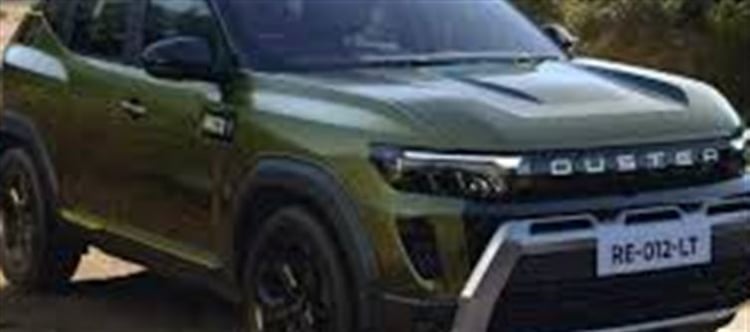

Renault has recently unveiled the much-anticipated 2026 Renault Duster in india, marking the return of one of the country’s most iconic SUVs. While the new Duster brings modern design, updated tech, and fresh powertrain options, critics and some buyers feel that Renault missed the mark on a couple of key features that defined the SUV’s past success.
1. Absence of a diesel Engine
One of the biggest disappointments among traditional Duster fans is the complete removal of a diesel engine from the lineup. The older Duster became hugely popular in india largely thanks to its 1.5-litre K9K diesel engine, which was known for strong torque, good fuel economy, and excellent performance for long highway drives — attributes many SUV buyers still look for.
The new generation instead launches with turbo-petrol engines — a 1.0-litre and a 1.3-litre turbo — and will later add a strong hybrid petrol option around diwali 2026. While these petrol and hybrid powertrains are more in line with modern emission norms and urban usage, the absence of diesel removes a rugged and efficient option that many loyal Duster buyers had come to expect.
2. No AWD (All-Wheel Drive) Option at Launch
Another key omission is the lack of an AWD drivetrain option in the india specification. The previous-generation Duster offered AWD — a feature that helped cultivate its reputation as a capable “go-anywhere” SUV, especially on uneven rural roads and light off-road conditions.
Renault has defended the decision by pointing out that AWD accounts for only a small fraction of overall sales, and that most buyers prefer front-wheel-drive vehicles that are cheaper and more fuel efficient. Still, many enthusiasts believe that not offering AWD at launch weakens the Duster’s rugged image, especially since rival mid-size SUVs from other brands do offer AWD or are expected to in the near future.
3. Compromises on Rear Passenger Space
Although the new Duster’s interior and boot space have been upgraded, a few reviewers noted that rear passenger legroom and knee room feel a bit compromised — apparently because Renault prioritized class-leading boot space instead. While a large boot is great for luggage and travel gear, many buyers might have preferred a more comfortable rear seating area for everyday use.
Why Renault Made These Choices
Renault’s strategy for the new Duster appears focused on urban and mainstream SUV buyers, aligning with evolving market trends, emission regulations, and the rising interest in hybrid and petrol options. petrol engines and hybrid powertrains tend to be quieter, cleaner, and better suited to congested city driving — priorities that traditional diesel options struggle with in today’s regulatory environment. Additionally, AWD has limited demand in markets like india where many owners use SUVs primarily on paved roads rather than genuine off-road trails.
Looking Ahead
Despite these omissions, the 2026 Renault Duster still offers many strengths — modern styling, updated tech, strong safety and ADAS features, and a future hybrid option that promises good efficiency. Fans hopeful for diesel and AWD variants may still get them later if Renault decides to expand the lineup based on customer feedback.
Disclaimer:
The views and opinions expressed in this article are those of the author and do not necessarily reflect the official policy or position of any agency, organization, employer, or company. All information provided is for general informational purposes only. While every effort has been made to ensure accuracy, we make no representations or warranties of any kind, express or implied, about the completeness, reliability, or suitability of the information contained herein. Readers are advised to verify facts and seek professional advice where necessary. Any reliance placed on such information is strictly at the reader’s own risk.
 click and follow Indiaherald WhatsApp channel