



cinema doesn’t need to shout to provoke — sometimes, one quiet line is enough. A single sentence in a tamil film now streaming online has ignited a storm far louder than any action sequence. In Sirai, a moment meant to signal secularism has instead reopened an uncomfortable question: when films speak about faith, do they speak evenly — or selectively?
🎬 The Scene That Sparked It All
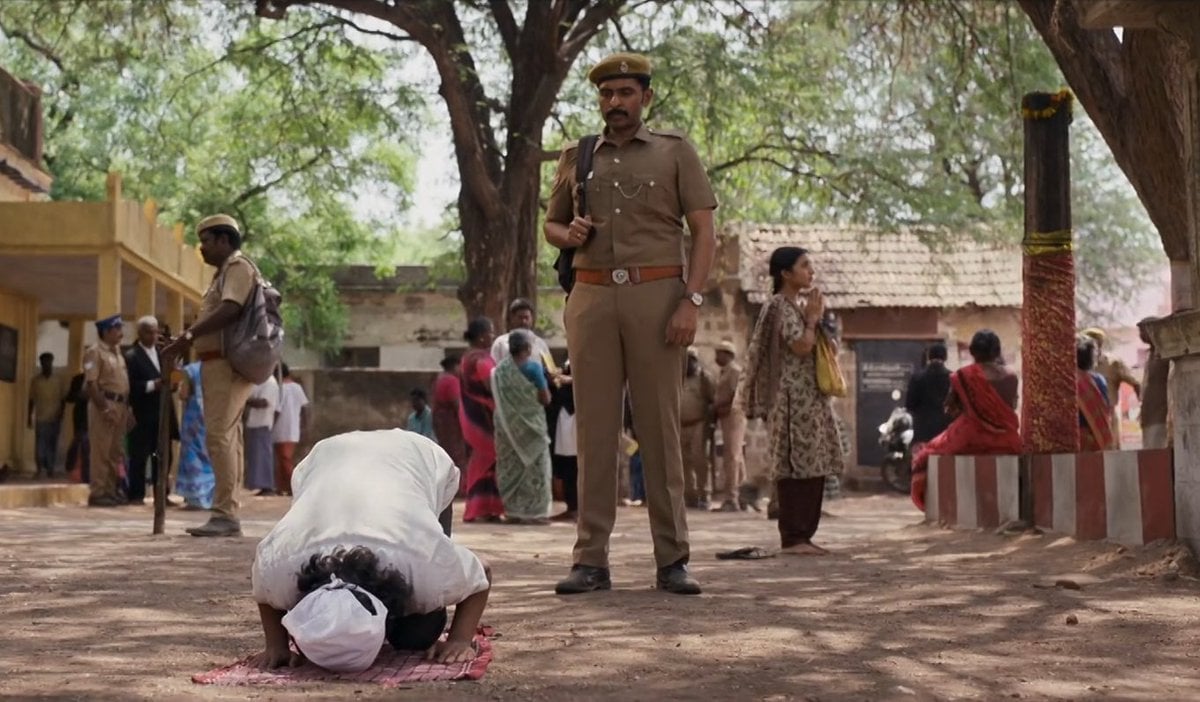
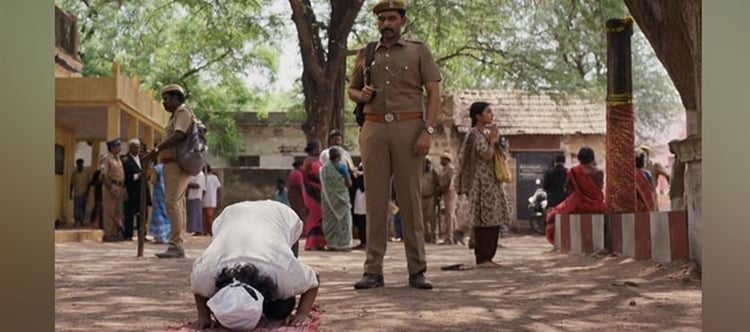
In the tamil film Sirai, now streaming on Zee5, the protagonist is a police officer escorting an accused, Abdul Rauf, from prison to court. Accompanying him is Abdul’s girlfriend, Kalaiarasi.
Minutes before entering the courtroom:
Abdul asks permission to perform namaz
Kalaiarasi asks permission to pray to her Hindu god
The officer allows both.
So far, so secular.
⚠️ Then Comes the Line That Changed Everything
After Kalaiarasi finishes praying, the officer tells her:
“I’m not sure if your god will do the right thing for you — but I trust the judge inside the court will.”
No equivalent remark.
No cautionary sermon.
No philosophical counterpoint for Abdul’s namaz.
Just silence.
And that silence is exactly where the controversy lives.
⚖️ Equal Permission. Unequal Commentary.
Defenders of the scene argue that the film is endorsing constitutional faith in the judiciary, not attacking religion. Critics agree — partially.
The issue isn’t what the line says.
It’s who it’s said to.
If the message was “trust institutions over faith,” why was it directed only at the Hindu character? Why was Abdul’s act of prayer left untouched, unexamined, and unquestioned?
In cinema, omission is also messaging.
🧠 This Isn’t About religion — It’s About Selective Skepticism
The debate online isn’t rooted in outrage alone. It’s rooted in pattern recognition. Audiences are asking a simple question:
Why does cinematic skepticism so often punch in one direction?
When disbelief is selectively applied, neutrality starts looking like narrative bias — intentional or not.
🎥 When ‘Progressive Writing’ Turns Performative
tamil cinema has long prided itself on rationalism and social commentary. But there’s a thin line between challenging blind faith and singling out one belief system for correction.
Progressivism stops being progressive the moment it becomes asymmetrical.
🧨 Why This Scene Refuses to Fade Away
This wasn’t a loud speech.
This wasn’t propaganda wrapped in background music.
It was casual. Almost throwaway.
And that’s exactly why it landed so hard.
Because of casual bias, when normalised, travels further than open hostility.
🩸 Final Word
Sirai may not have intended to offend.
But intention doesn’t erase impact.
When a film gives equal space to prayer but unequal space to commentary, it stops being neutral — and starts making a choice.
cinema shapes instinct.
Dialogue shapes belief.
And audiences today are watching closer than ever.
The question isn’t whether the judge should be trusted.
The question is — why was only one god put on trial?
 click and follow Indiaherald WhatsApp channel