



The Weapon That Could Rewrite Modern Warfare
For decades, missiles defined modern warfare. They were the ultimate symbol of military power — expensive, precise, and devastating. But a new reality is emerging, and it’s changing the rules of conflict in ways many governments are still struggling to grasp.
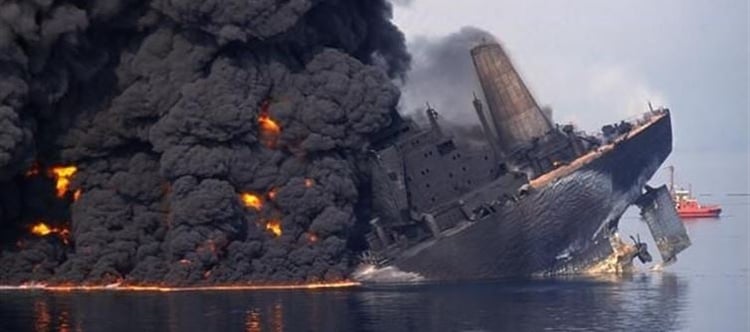
The latest example involves Iran’s Shahed-136 loitering munition, a relatively inexpensive attack drone that has already been used extensively in global conflicts. When such drones strike high-value targets like oil tankers in the strategically critical Strait of Hormuz, the implications ripple far beyond the battlefield.
1. The brutal economics of drone warfare
The most striking aspect of this shift is cost. A Shahed-136 drone is estimated to cost roughly $20,000 to produce. By contrast, advanced air-defense interceptors such as the Patriot missile system can cost around $4 million per shot.
That creates a staggering imbalance: a defender may spend hundreds of times more to destroy a weapon that was incredibly cheap to deploy.
2. Why are drones so difficult to stop
Unlike ballistic missiles that follow predictable trajectories, low-flying drones can maneuver unpredictably, travel slowly, and approach targets from unexpected angles. Against moving ships, interception becomes even more challenging.
3. A nightmare scenario for global trade
If drones repeatedly targeted tankers in chokepoints like the Strait of Hormuz — through which roughly 20% of the world’s oil supply passes — the consequences could be immediate. Shipping could halt, insurance could vanish overnight, and energy markets could spike dramatically.
4. The strategic shift underway
Military planners around the world are now confronting a sobering reality: the future of warfare may be defined less by billion-dollar weapons systems and more by mass-produced, low-cost autonomous platforms.
From drone swarms to AI-guided defense systems, governments are already redirecting research and defense budgets toward this emerging battlefield.
Because in modern warfare, the question is no longer just who has the most powerful weapon.
It’s who can deploy the most disruptive technology at the lowest cost. 🚁⚡
 click and follow Indiaherald WhatsApp channel