


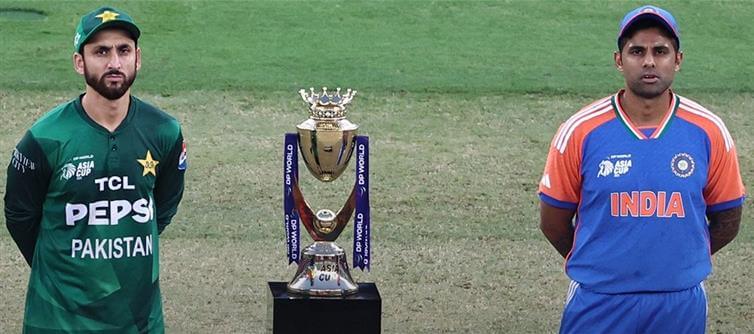

The unthinkable has happened. The most explosive rivalry in world cricket — india vs pakistan — has been officially cancelled, not by injury, weather, or scheduling chaos, but by a government order. In a late-Sunday shocker, pakistan announced it will participate in the icc t20 world cup 2026… but will not play India.
No negotiation. No ambiguity. No retreat.
This isn’t just a boycott — it’s a direct confrontation with the international cricket Council, one that puts billions in broadcast revenue, global viewership, and the tournament’s credibility on the line.
🧨 1. THE ORDER CAME FROM THE TOP — NO ROOM FOR BACKTRACKING
The statement from the government of pakistan was surgical and ruthless:
Pakistan will play the World Cup. pakistan will not play india on february 15.
That single sentence erased weeks of speculation and confirmed what many feared — this decision was never in the PCB’s hands. The meeting between PCB chairman Mohsin Naqvi and prime minister Shehbaz Sharif made one thing clear: cricket policy is now state policy.
🧨 2. THE REAL TRIGGER: BANGLADESH, NOT INDIA
Contrary to popular belief, this boycott isn’t just about India. It’s about Bangladesh.
pakistan openly revolted after the International cricket Council refused to move Bangladesh’s world cup matches out of india — a demand pakistan aggressively supported.
At the ICC Board meeting, pakistan stood alone, accusing the ICC of injustice. When diplomacy failed, Islamabad reached for the nuclear option: boycott the biggest match of the tournament.
🧨 3. THE MATCH THE WORLD PAID FOR — GONE
Let’s not sugarcoat it.
India vs pakistan isn’t just a game — it’s the financial engine of the World Cup.
Broadcasters, sponsors, advertisers, and host boards build entire revenue models around those three hours. pakistan walking away doesn’t hurt india nearly as much as it humiliates the ICC, which now has to explain how its crown jewel fixture evaporated overnight.
🧨 4. PCB’S CAREFULLY WORDSMITHED SILENCE
Notice what’s missing:
No official reason.
No press conference meltdown.
No dramatic justification.
The PCB has stayed quiet, letting the government absorb the heat. It’s a strategic silence — one that keeps the board aligned with the state while daring the ICC to make the next move.
🧨 5. THE ICC IS NOW TRAPPED — AND EVERY OPTION IS BAD
What does the ICC do now?
Award points? Penalize Pakistan? Reschedule? Look the other way?
Any punishment risks escalating a geopolitical standoff. Any leniency exposes the ICC as powerless. The world’s richest cricket rivalry has just revealed the sport’s ugliest truth: the ICC controls schedules, not sovereignty.
🧨 6. GROUP A JUST TURNED INTO A FARCE
Pakistan’s Group A fixtures now feel incomplete, awkward, and hollow.
They’ll still play:
Netherlands (Feb 7, Colombo)
USA (Feb 10)
Namibia (Feb 18)
But the february 15 clash — the match fans circled in red — is a ghost fixture, looming large in absence. All of Pakistan’s games remain in Sri Lanka, but the tournament’s emotional core has been ripped out.
🧨 7. THIS IS BIGGER THAN ONE WORLD CUP
This decision sets a dangerous precedent.
If governments can veto matches, what stops future boycotts? What stops political leverage becoming routine?
pakistan has drawn a line. The ICC must now decide whether it enforces authority — or accepts that international cricket is officially hostage to geopolitics.
⚡ FINAL WORD
This isn’t just a boycott.
It’s a warning shot.
The India-Pakistan rivalry didn’t end on the pitch — it was cancelled in a cabinet room. And as the ICC scrambles for damage control, one truth is unavoidable:
The biggest match in cricket just proved that the sport itself isn’t in charge anymore.
 click and follow Indiaherald WhatsApp channel