




Sometimes, the biggest financial lessons don’t come from textbooks or stock markets — they hit you in the most ordinary moments. Like stepping out for a cup of tea on a rainy day and realizing the price has quietly jumped overnight. It feels small. It looks harmless. But hidden inside that ₹5 increase is a pattern that explains how money slowly slips away from all of us.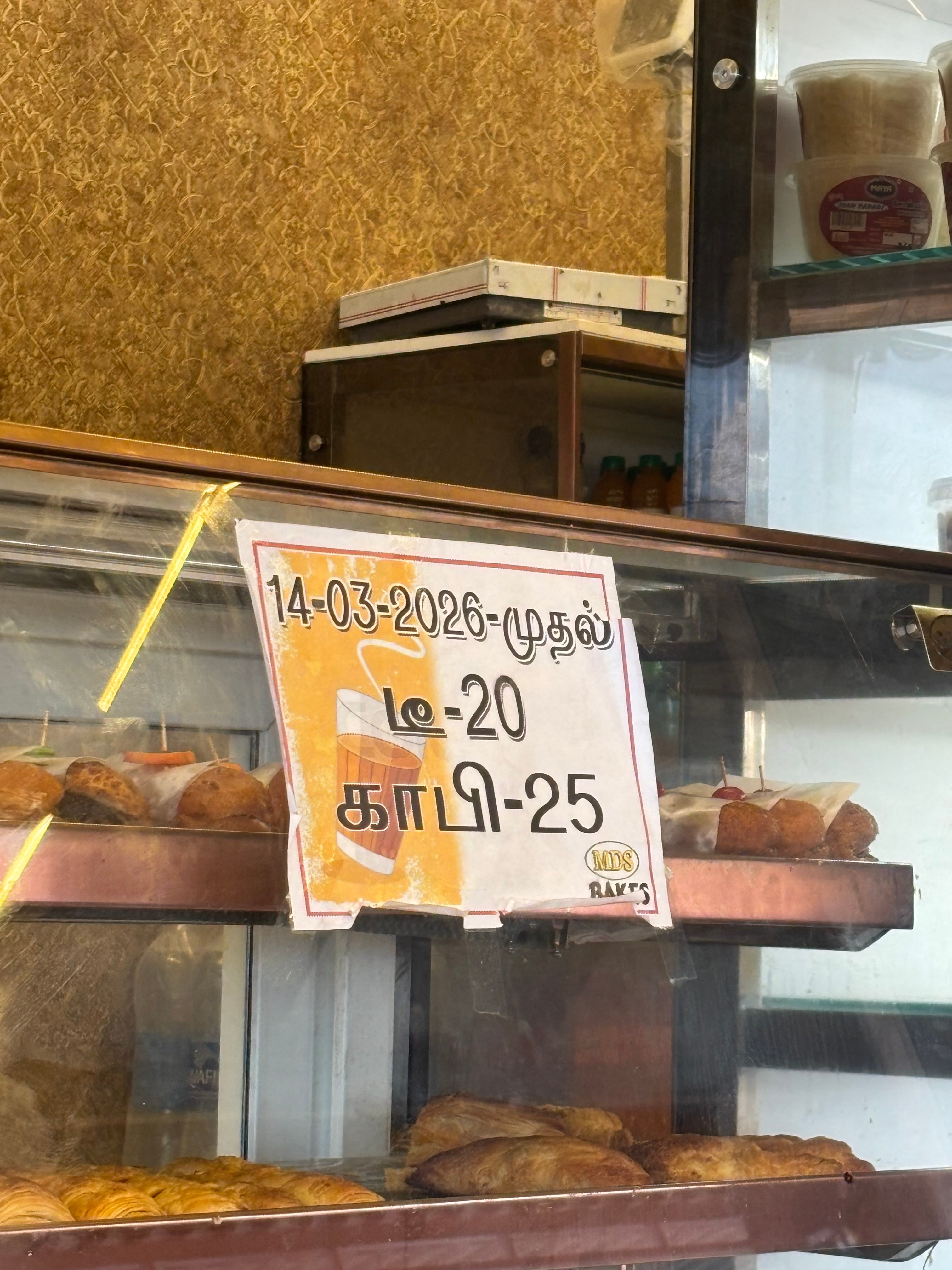
A Simple Tea, A Sharp Reality Check
Yesterday it was ₹15. Today it’s ₹20. No warning, no gradual change — just a straight 33% jump overnight. That’s not just inflation. That’s speed.The Easy Explanation — And Why It’s Not Enough
Yes, there’s an LPG shortage. Yes, costs have gone up. Classic cost-push inflation. Fair enough. But here’s the uncomfortable question — will the price come back down once things stabilize?The Honest Answer: No Chance
Let’s be real. That ₹20 isn’t temporary. It’s the new normal. Prices in cities like Chennai, Bengaluru, mumbai — they don’t roll back. They only reset higher.This Is Bigger Than Tea
This isn’t about one shop or one product. It’s everywhere. Groceries inch up. auto fares creep higher. Hospital bills quietly inflate. Different sectors, same pattern.The Hidden Rule: Price Stickiness
Economics has a term for this — price stickiness. More bluntly? The Ratchet Effect. Prices climb easily, but coming down? That mechanism barely exists.Why This Matters to You
Because these small jumps don’t feel dangerous. ₹5 here, ₹10 there. But over time, they rewrite your entire cost of living — without you even noticing.
That tea wasn’t just tea. It was a reminder: in this system, prices have only one direction — up.
 click and follow Indiaherald WhatsApp channel