


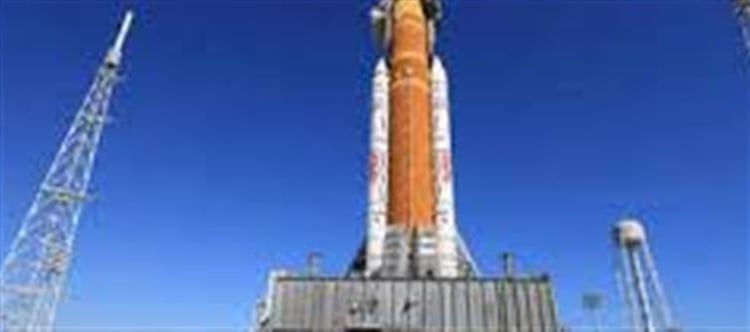

NASA has announced a delay in the Artemis II moon mission as the agency moves its Space Launch System (SLS) rocket from the launch pad back to the hangar. The decision comes amid ongoing preparations and technical checks for the highly anticipated mission.
Reason for the Delay
The move to the hangar indicates that nasa is addressing technical or logistical issues with the rocket or ground systems. This step ensures the spacecraft, rocket, and launch infrastructure meet all safety and performance requirements before proceeding with the launch.
About the Artemis II Mission
Artemis II is NASA’s next milestone in returning humans to the Moon. Key aspects include:
- The first crewed mission in the Artemis program
- A lunar flyby involving astronauts orbiting the moon and returning safely to Earth
- Testing of life-support systems and crew operations for future lunar missions
Timeline Adjustments
While the exact new launch date has not been confirmed, nasa emphasizes that safety and mission readiness are the top priorities. The delay allows additional time for inspections, testing, and risk mitigation.
Significance for NASA’s moon Program
Artemis II is a critical step toward NASA’s broader goal of sustainable lunar exploration. Ensuring the SLS rocket and spacecraft are fully ready helps reduce risks and sets the stage for subsequent missions, including Artemis III, which aims to land astronauts on the Moon.
Disclaimer:
The views and opinions expressed in this article are those of the author and do not necessarily reflect the official policy or position of any agency, organization, employer, or company. All information provided is for general informational purposes only. While every effort has been made to ensure accuracy, we make no representations or warranties of any kind, express or implied, about the completeness, reliability, or suitability of the information contained herein. Readers are advised to verify facts and seek professional advice where necessary. Any reliance placed on such information is strictly at the reader’s own risk.
 click and follow Indiaherald WhatsApp channel