


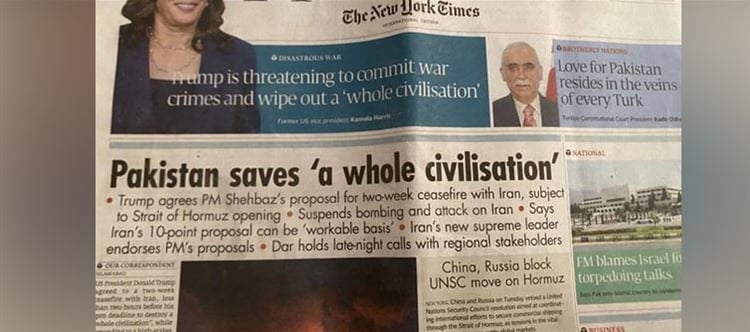

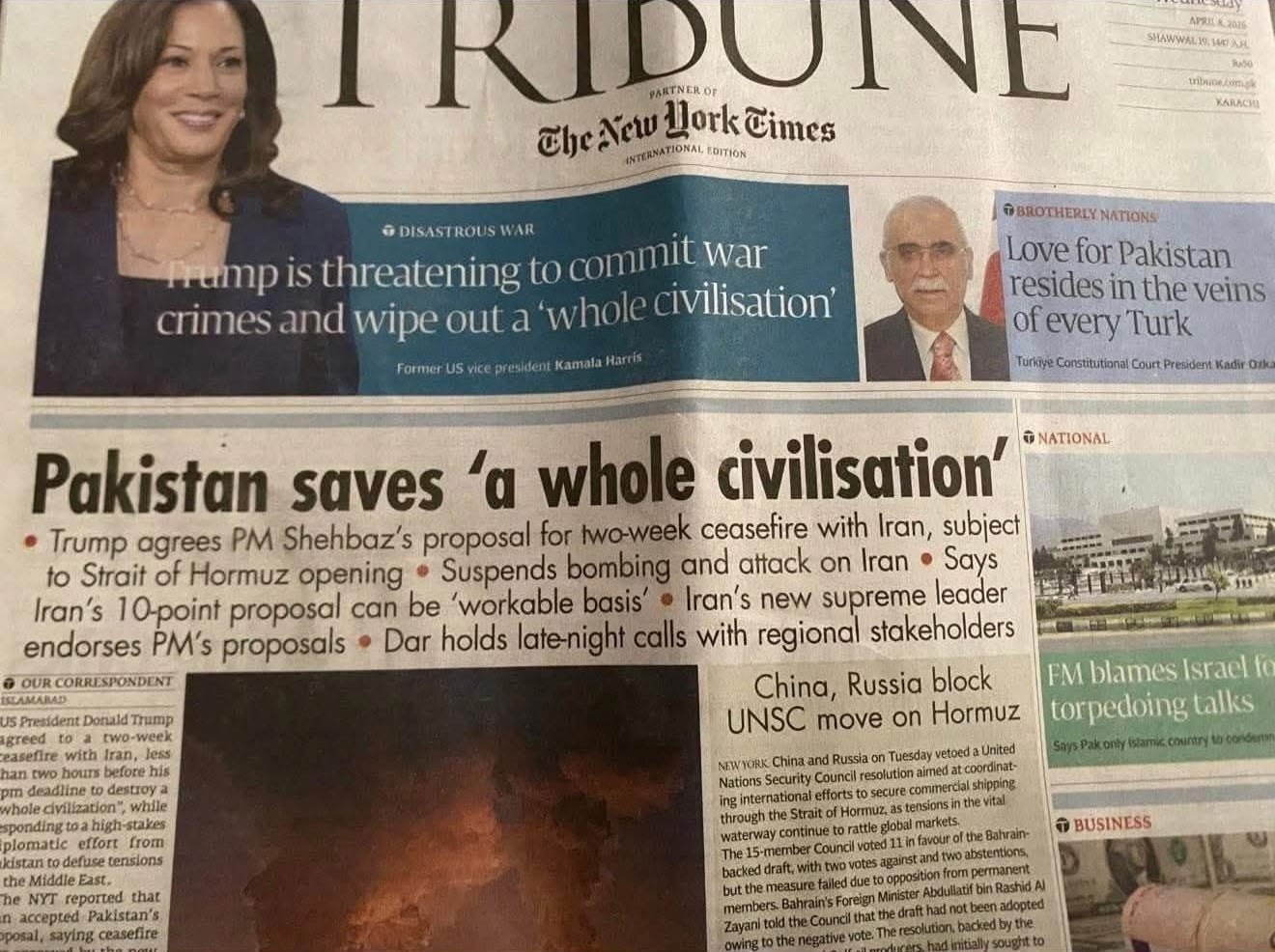
A single headline can shift perception—and right now, the global narrative around pakistan appears to be doing exactly that. With international attention framing it as an active mediator in tense geopolitical situations, pakistan is being projected, in some quarters, as a country stepping into a peace-making role during moments of crisis.
This evolving image stands in contrast to the discourse back home in India, where political language and interpretations of diplomacy often take a sharper, more skeptical tone. The debate isn’t just about events—it’s about how those events are being framed. Is mediation a genuine act of conflict resolution, or is it being viewed through the lens of strategic maneuvering and political positioning?
Meanwhile, smaller nations are also shaping their own narratives. Countries like sri lanka have drawn attention for specific actions during regional tensions, reinforcing the idea that influence today is not just about size or power, but about timely decisions and how they are perceived globally.
At the heart of this conversation is a deeper question: who controls the narrative? In today’s interconnected world, perception travels faster than facts, and headlines often carry more weight than ground realities. What one country calls diplomacy, another may interpret as opportunism. What appears as leadership on one side may be questioned on the other.
This isn’t just about pakistan or India—it’s about the evolving nature of global storytelling. Nations are no longer judged solely by their actions, but by how effectively those actions are communicated and received.
Because in modern geopolitics, influence isn’t just built on the ground—it’s built in perception.
 click and follow Indiaherald WhatsApp channel