


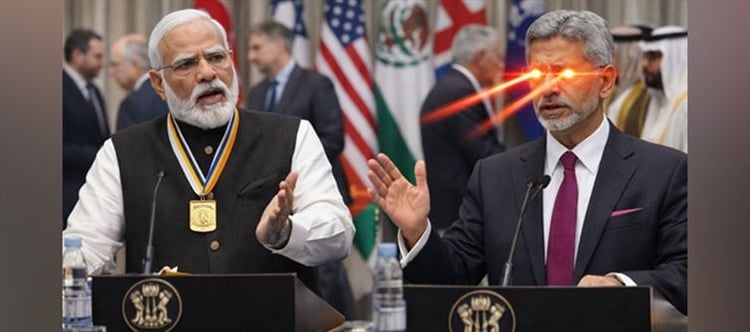

There’s growing discomfort with how India’s global posture is being perceived—not just abroad but at home. The concern isn’t about a single decision or one controversial moment. It’s about a pattern: a tilt toward optics over outcomes, punchy rhetoric over patient diplomacy, and a political ecosystem that often feels like it’s still campaigning, even when it should be governing.
1. Optics That Outrun Substance
Symbolic gestures and headline-grabbing moments can build visibility, but they don’t replace sustained diplomatic work. When style starts to overshadow substance, the gap eventually shows—especially on the international stage where outcomes matter more than impressions.
2. Diplomacy vs. Soundbites
Sharp one-liners and viral moments may win domestic applause, but diplomacy is a long game. It requires quiet negotiations, coalition-building, and consistency—things that rarely trend but ultimately define credibility.
3. The media Echo Chamber
Prime-time debates often amplify a single narrative: that India’s influence has never been stronger. But when messaging becomes an echo chamber, it risks drifting away from how the rest of the world actually perceives events.
4. Perception Abroad: Indifference or Irony?
What’s striking isn’t necessarily outrage from other countries—it’s indifference, sometimes even bemusement. And in geopolitics, being taken lightly can be more damaging than being challenged.
5. Perpetual Campaign Mode
A government that appears to operate in continuous election mode may prioritize messaging over method. Domestic positioning starts to shape external policy, blurring the line between governance and political theatre.
This isn’t about dismissing achievements or denying complexity. It’s about recognizing a tension: between narrative and nuance, performance and policy. Because in foreign affairs, credibility isn’t built in speeches—it’s built in outcomes.
 click and follow Indiaherald WhatsApp channel