


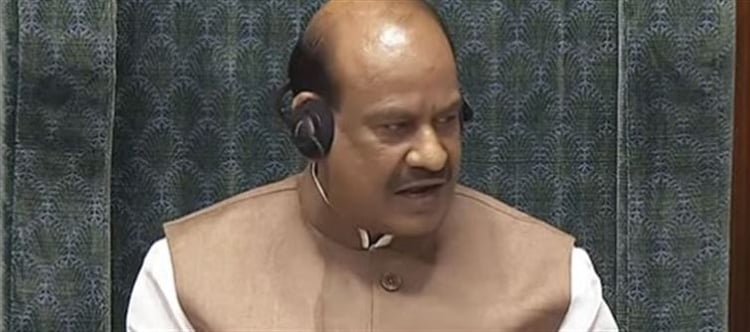

Lok Sabha Speaker Removal Motion: Rules and Om Birla’s Role
The second phase of Parliament's Budget Session begins on Monday, march 9, during which the opposition’s motion to remove lok sabha Speaker om birla will be discussed.
Om Birla will not preside over the proceedings when the motion against him is taken up. He must sit with other MPs, usually with members of the ruling party, during this discussion.
Despite not presiding, Birla has the right to defend himself when the motion is debated. He can make his arguments in his defense before the House considers voting.
Birla can also vote on the motion. However, he cannot use the automated voting system like other MPs. Instead, he must submit a ballot slip to register his vote.
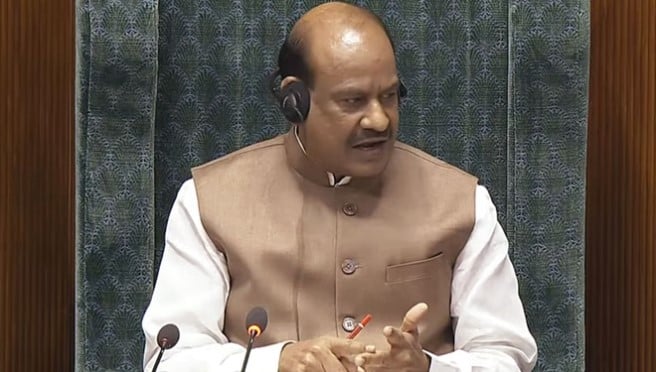
Constitutional expert PDT acharya, a former Lok Sabha Secretary General, explained that the rules allow the Speaker to participate in voting but restrict him from presiding during removal proceedings.
There is no fixed rule about where Birla should sit during the discussion.
Acharya suggested he may be given the seat of a Union minister from the rajya sabha for that session.
Only lok sabha members are eligible to vote on the motion, and Rajya Sabha members cannot vote.
Deputy Speaker of Lok Sabha and Deputy Chairman of Rajya Sabha have assigned front-row seats when they are not presiding, which may provide a reference for Birla’s seating arrangement.
A motion to remove the Speaker requires signatures from at least two lok sabha members. While any number of MPs may sign, the minimum requirement is two.
The motion can only succeed if passed by a simple majority of the house, as defined under Article 94C of the Constitution.
The majority calculation is based on the total membership of the house (excluding vacant seats), not just the members present and voting, ensuring the resolution reflects the full strength of the House.
Birla’s participation in the vote and right to defend himself highlight the constitutional safeguards and procedural norms ensuring fairness even when the Speaker faces a removal motion.
The proceedings underscore that while the Speaker cannot preside, he remains an active participant in defending his position and exercising voting rights.
This framework ensures that motions to remove a Speaker are conducted transparently, fairly, and in accordance with constitutional provisions, balancing the authority of the Speaker with parliamentary oversight.
Members of parliament will now prepare for a detailed debate and voting process in the lok sabha, with Birla actively engaging within these procedural limits.
Disclaimer:
The information contained in this article is for general informational purposes only. While we strive to ensure accuracy, we make no warranties or representations of any kind, express or implied, about the completeness, accuracy, reliability, suitability, or availability of the content. Any reliance you place on the information is strictly at your own risk. The views, opinions, or claims expressed in this article are those of the author and do not necessarily reflect the official policy or position of any organization mentioned. We disclaim any liability for any loss or damage arising directly or indirectly from the use of this article.
 click and follow Indiaherald WhatsApp channel