


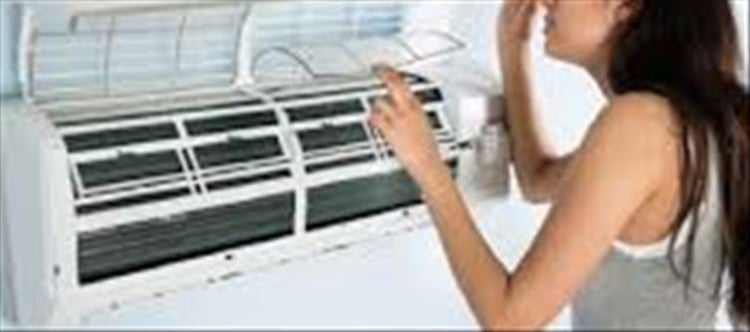

If your brand-new air conditioner is not cooling well, it can be frustrating. But in most cases, the issue is not a defect—it's usually due to installation, settings, or airflow problems rather than the machine itself.
Here are the most common reasons and fixes.
⚙️ 1. Improper Installation (Most Common Issue)
Even a high-quality AC will underperform if installation is not done correctly.
Common mistakes:
- Incorrect gas charging
- Poor copper pipe insulation
- Indoor and outdoor units placed improperly
- Leakage in refrigerant line
👉 Fix: Always get installation done by authorized technicians from brands like
Voltas Limited, Blue Star Limited, or lg Electronics service centers.
🌡️ 2. Wrong Temperature Settings
Many users set unrealistic expectations.
Issues:
- Setting temperature too high (like 26–28°C expecting instant cooling)
- Using “Fan mode” instead of “Cool mode”
- Eco mode limiting compressor power
👉 Ideal setting: 24°C to 26°C for normal cooling
🌬️ 3. Airflow Blockage
Cooling depends heavily on proper airflow.
Problems:
- Dirty air filters
- Blocked indoor vents
- Furniture blocking airflow
👉 Fix:
- Clean filters every 15–20 days
- Ensure free airflow around indoor unit
🔥 4. Room Heat Load Too High
If the room is too hot, the AC struggles initially.
Reasons:
- Direct sunlight through windows
- Poor insulation
- Too many heat-producing devices
👉 Solution:
- Use curtains or blinds
- Close doors and windows tightly
- Reduce heat sources in the room
⚡ 5. Low Refrigerant Gas (Gas Leakage)
If cooling is weak even after hours:
Signs:
- AC runs continuously but doesn’t cool
- Ice formation on pipes
- Weak airflow
👉 Fix: Call technician for gas check and refill.
🧠 6. First-Time Operation Delay
New ACs sometimes take time to stabilize.
- Initial cooling may feel slow
- System adjusts after a few cycles
- Outdoor unit heat release affects performance
🧾 7. Electrical or Voltage Issues
Low or unstable voltage can reduce compressor efficiency.
👉 Use:
- Stabilizer (if required)
- Proper dedicated power line
📝 Final Thoughts
If your new AC is not cooling properly, the issue is usually installation quality, airflow, or settings—not the product itself. A quick inspection of these factors can often solve the problem without expensive repairs.
Disclaimer:
The views and opinions expressed in this article are those of the author and do not necessarily reflect the official policy or position of any agency, organization, employer, or company. All information provided is for general informational purposes only. While every effort has been made to ensure accuracy, we make no representations or warranties of any kind, express or implied, about the completeness, reliability, or suitability of the information contained herein. Readers are advised to verify facts and seek professional advice where necessary. Any reliance placed on such information is strictly at the reader’s own risk.
 click and follow Indiaherald WhatsApp channel