


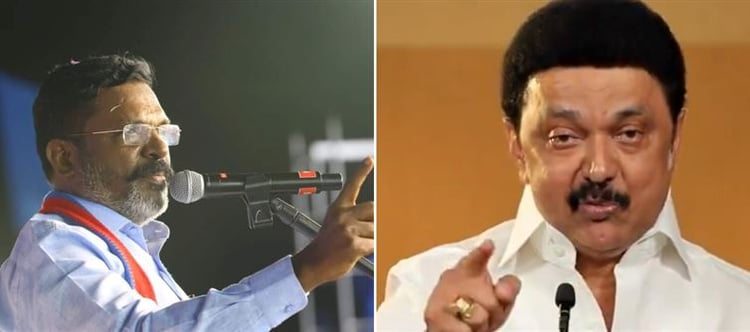

As election season approaches, alliance politics in tamil Nadu is once again entering a delicate phase. Seat-sharing negotiations are never just about numbers—they’re about trust, consistency, and long-term alignment. And in that conversation, the role of VCK within the DMK alliance is becoming increasingly significant.
1. More Parties, Tighter Math
Compared to 2021, the alliance landscape has grown more crowded. With multiple stakeholders at the table, every additional seat becomes harder to negotiate. Yet, there’s a growing expectation that VCK could secure at least one or two more seats this time.
2. The Final Call Lies at the Top
Ultimately, these decisions won’t be made in public rallies or media debates. They will come down to high-command level discussions—where political equations, winnability, and alliance stability are carefully balanced.
3. Why VCK’s Case Stands Out
Unlike many parties that turn aggressive only during election season, VCK has maintained a relatively consistent ideological line. Its positions on issues like EWS, the Waqf amendment, and NEP reflect a clear and sustained political stance rather than opportunistic positioning.
4. Loyalty Over Loudness
In an ecosystem where volume often replaces value, VCK’s quieter approach stands out. It hasn’t relied on public pressure tactics or brinkmanship to demand a larger share, instead functioning as a steady ally within the coalition.
5. The Argument for +2 Seats
Given this backdrop, there’s a strong case—both political and symbolic—for the DMK to consider allocating at least two additional lok sabha seats to VCK. It would not just be a reward for loyalty, but also a signal that ideological consistency still holds weight in alliance politics.
Conclusion:
Seat-sharing is always a test of relationships. For the DMK alliance, how it accommodates VCK this time could reflect more than electoral strategy—it could define the value it places on trust, ideology, and long-term partnership.
 click and follow Indiaherald WhatsApp channel