
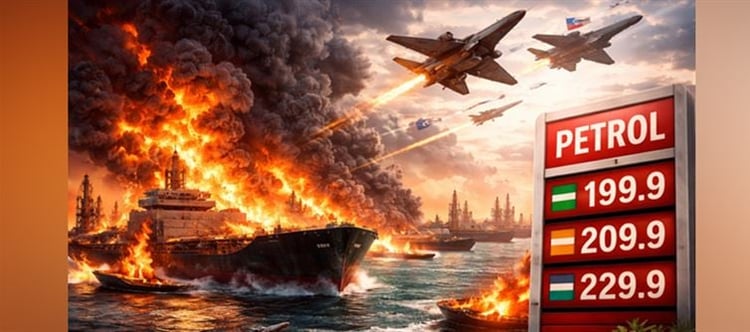


This isn’t just another flare-up in the Middle East. What’s unfolding right now carries the kind of volatility that can ripple far beyond the region—into global markets, supply chains, and everyday life. The signals are clear: tensions are rising, patience is thinning, and the margin for error is shrinking fast.
1. The Assumption That Didn’t Hold
There was an expectation in some quarters that iran would quickly buckle under pressure. That hasn’t happened. Instead, the situation has hardened, with responses that suggest resilience rather than retreat.
2. The Strait That Controls the World
The Strait of Hormuz isn’t just a geographic chokepoint—it’s an economic lifeline. Any disruption there immediately sends shockwaves through global energy flows, tightening supply and pushing prices upward.
3. Escalation Is Already Visible
Military responses, counter-responses, and aggressive rhetoric are building a dangerous feedback loop. Each move is being met with another, raising the stakes with every passing day.
4. Threats, Deadlines, and Brinkmanship
Warnings about targeting critical infrastructure only add fuel to an already volatile situation. Deadlines and ultimatums rarely de-escalate conflicts—they tend to accelerate them.
5. Why Backing Down Looks Unlikely
At this stage, neither side appears willing to lose face. Strategic decisions are increasingly shaped by perception and deterrence, making compromise harder and escalation more likely.
6. The Global Fallout Is Inevitable
If tensions continue to rise, the consequences won’t stay confined. Energy markets will tighten, oil and gas prices will climb, and the impact will filter down into daily expenses—fuel, transport, food, everything.
Conclusion:
This is no longer just a regional standoff—it’s a pressure point for the global economy. And when conflicts are driven as much by ego as by strategy, outcomes become harder to predict and far more dangerous to contain.
 click and follow Indiaherald WhatsApp channel