



Some films scream their intent. Others whisper it—and hit harder. Dhurandhar 2 does the latter. Buried inside a tense, high-stakes moment is a tiny detail that most viewers likely missed. No explosions, no monologues—just two words, placed with surgical precision. And once you catch it, the scene doesn’t feel the same again.
1. The Scene Everyone Watched—But Few Decoded
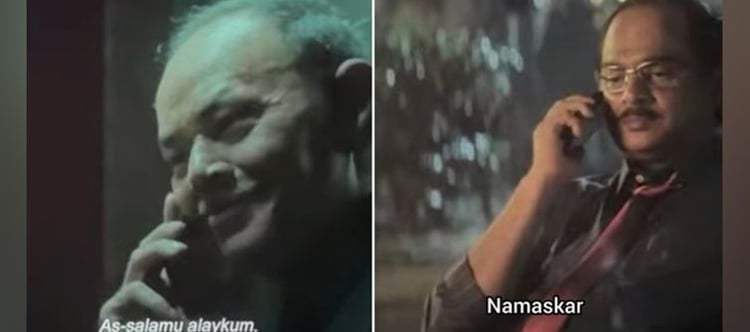
In the sequence where Hamza is captured by the ISI, the tension is already sky-high. Calls are made, stakes are clear, and the atmosphere is thick with consequence. Then comes the call—Ajit Doval speaking directly to a Pakistani ISI officer.
2. The Opening: Controlled Courtesy
The conversation begins with “As-salamu alaykum.” It’s diplomatic, measured, almost expected. A greeting that signals protocol, restraint, and a willingness to engage on neutral ground.
3. The Ending: A Statement, Not Just a Sign-Off
But it’s the ending that flips the entire tone. Doval signs off with “Namaskar.” It’s not just a cultural shift—it feels deliberate, almost symbolic. The kind of detail that doesn’t shout, but lingers.
4. Subtle Messaging, Loud Impact
That transition—from one greeting to another—can be read as more than dialogue. It carries an undercurrent: you may initiate the game, but we define how it concludes. It’s layered, understated, and surprisingly powerful.
5. Craftsmanship at Its Peak
This is where direction stands out. Aditya Dhar doesn’t rely on over-the-top exposition. Instead, he trusts the audience to catch—or eventually discover—these micro-details that elevate the narrative beyond the obvious.
Conclusion:
Dhurandhar 2 proves that sometimes, the strongest statements aren’t delivered through grand speeches, but through the smallest choices. A single word, placed at the right moment, can carry the weight of an entire storyline—and that’s exactly what makes this detail unforgettable.
 click and follow Indiaherald WhatsApp channel