


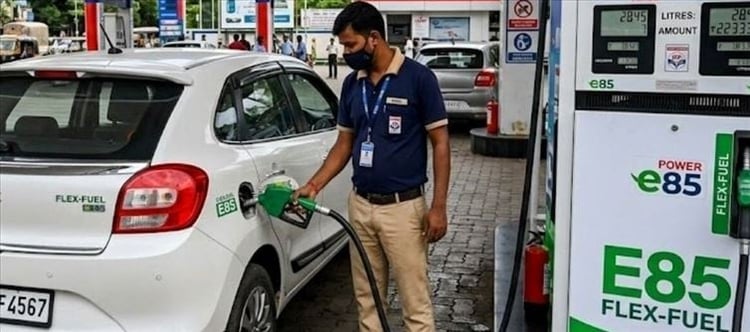

⚡ What the E85 Push Really Means
The government is preparing draft rules for rolling out E85 — a fuel blend with up to 85% ethanol and 15% petrol. On paper, it’s framed as a move toward energy independence and reduced reliance on crude oil. But for everyday consumers, the implications feel far more immediate — and complicated.
Start with the basics. Most cars on indian roads today simply aren’t designed to run on E85. That means if this transition gains momentum, many people could eventually find themselves needing a flex-fuel vehicle — not by choice, but by necessity. That’s not a small adjustment; it’s a major financial decision.
Then comes efficiency. Ethanol-blended fuels like E85 typically deliver lower mileage compared to pure petrol. So even if the price per litre looks attractive, you may end up refuelling more often. The real-world savings? Not always as clear-cut as they sound.
But the ripple effects don’t stop at the fuel pump.
Expanding ethanol production requires raw materials — often crops like maize or sugarcane. When farming patterns shift toward these, it can influence the supply of staples like pulses and edible oils. Over time, that can feed into food prices, making the impact broader than just transportation costs.
And that’s where the debate intensifies.
Supporters argue this is a long-term strategy — cleaner fuel, reduced imports, stronger domestic production. Critics question whether the transition is moving faster than consumers and markets can realistically handle, and who stands to benefit the most in the process.
Because at its core, this isn’t just about fuel.
It’s about how policy decisions ripple through wallets, industries, and everyday life — and whether people feel they’re being guided through the change… or pushed into it.
 click and follow Indiaherald WhatsApp channel