


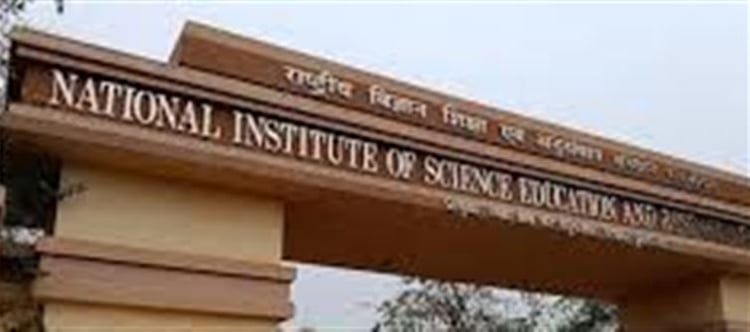

The National Institute of Science education and Research (NISEER), Bhubaneswar is offering a unique opportunity for students and early-career researchers to gain hands-on experience in scientific research and advanced training this summer. This initiative allows participants to enhance their skills, explore cutting-edge research, and interact with expert faculty.
1. About NISEER Bhubaneswar
NISEER Bhubaneswar is a premier research institute under the Department of Atomic Energy, India. It focuses on:
- Advanced research in physics, chemistry, biology, and interdisciplinary sciences
- Promoting scientific education and training for students and researchers
- Fostering collaborations with national and international research organizations
The summer training program aligns with the institute’s mission to nurture the next generation of scientists.
2. Summer Training Program Highlights
The NISEER summer program is designed to provide participants with:
- Hands-on laboratory experience in fields like molecular biology, computational science, and material research
- Workshops and seminars by leading scientists and faculty
- Exposure to state-of-the-art research facilities
- Opportunities to present your work and get constructive feedback
3. Eligibility Criteria
The program typically invites applications from:
- Undergraduate and postgraduate students in science, engineering, and related fields
- Early-career researchers interested in enhancing practical research skills
- Students with a strong academic record and interest in research
Some projects may have specific prerequisites depending on the lab or faculty mentorship.
4. How to Apply
Steps to Apply:
Visit the official NISEER website → Summer Program / Training section
Fill out the online application form with personal, academic, and project interest details
Attach relevant documents, such as CV, academic transcripts, and recommendation letters
Submit before the deadline specified on the official notification
Selected candidates are usually informed via email or the official portal.
5. Duration and Schedule
- The summer training program typically runs for 4–8 weeks, depending on the project
- Exact dates are announced in the official summer training notification
- Sessions include lab work, project discussions, and workshops scheduled throughout the program
6. Benefits of Attending
- Practical research experience in high-quality labs
- Mentorship from renowned scientists and faculty
- Improved understanding of scientific methodology and advanced techniques
- Networking opportunities with peers and experts in your field
- Certificate of completion, which can boost your academic and career profile
7. Tips for Applicants
- Choose projects aligned with your interests to make the most of the training
- Prepare a concise CV highlighting relevant coursework and lab experience
- Seek recommendation letters from professors who can vouch for your research aptitude
- Stay aware of deadlines and submission requirements
8. Conclusion
The NISEER bhubaneswar summer training program is a golden opportunity for students and young researchers to gain hands-on experience, learn from experts, and enhance their career prospects. Applying early and preparing your application carefully can help you secure a spot in this prestigious program and make the most of the summer research experience.
Disclaimer:
The views and opinions expressed in this article are those of the author and do not necessarily reflect the official policy or position of any agency, organization, employer, or company. All information provided is for general informational purposes only. While every effort has been made to ensure accuracy, we make no representations or warranties of any kind, express or implied, about the completeness, reliability, or suitability of the information contained herein. Readers are advised to verify facts and seek professional advice where necessary. Any reliance placed on such information is strictly at the reader’s own risk.
 click and follow Indiaherald WhatsApp channel