


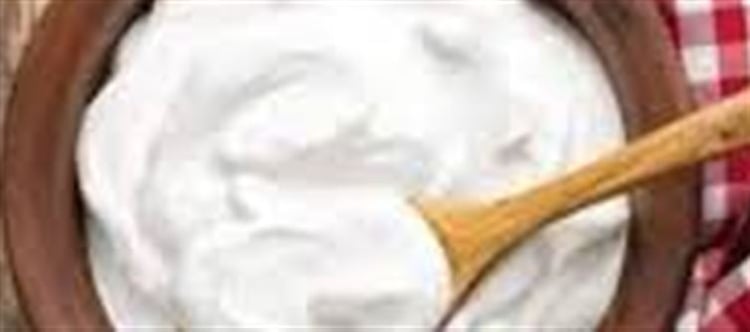

Curd, whether served as raita, chaas, or a simple bowl, is a staple in indian kitchens. Packed with nutrients, it offers numerous health benefits. But what happens if you make it a nightly habit for a month? Let’s find out.
1. Improves Digestion and Gut Health 🦠
Curd is rich in probiotics, which help:
· Maintain a healthy gut microbiome
· Reduce bloating and indigestion
· Promote better nutrient absorption
2. Boosts Immunity 💪
Regular consumption of curd provides:
· Essential vitamins and minerals like calcium and vitamin B12
· Probiotics that strengthen immune responses
· Defense against common infections and digestive issues
3. Supports Bone Health 🦴
Curd is a calcium powerhouse. Eating it every night helps:
· Maintain strong bones and teeth
· Prevent deficiencies, especially in growing children and older adults
· Reduce the risk of osteoporosis over time
4. Aids Weight Management ⚖️
Curd is high in protein and low in fat (if consumed as low-fat). Nightly consumption may:
· Promote a feeling of fullness, reducing late-night snacking
· Support muscle repair and metabolism
· Help maintain healthy body weight
5. Potential Caution ⚠️
While curd is healthy, excessive nightly consumption may:
· Cause acidity or bloating in sensitive individuals
· Interfere with digestion if eaten right before bed in large quantities
· Be unsuitable for those with lactose intolerance
✅ Bottom Line:
Eating curd every night for a month can boost digestion, immunity, bone health, and aid weight management, as long as it’s consumed in moderation. Pairing it with light meals ensures maximum benefits without digestive discomfort.
Disclaimer:
The views and opinions expressed in this article are those of the author and do not necessarily reflect the official policy or position of any agency, organization, employer, or company. All information provided is for general informational purposes only. While every effort has been made to ensure accuracy, we make no representations or warranties of any kind, express or implied, about the completeness, reliability, or suitability of the information contained herein. Readers are advised to verify facts and seek professional advice where necessary. Any reliance placed on such information is strictly at the reader’s own risk.
.jpg)
 click and follow Indiaherald WhatsApp channel