


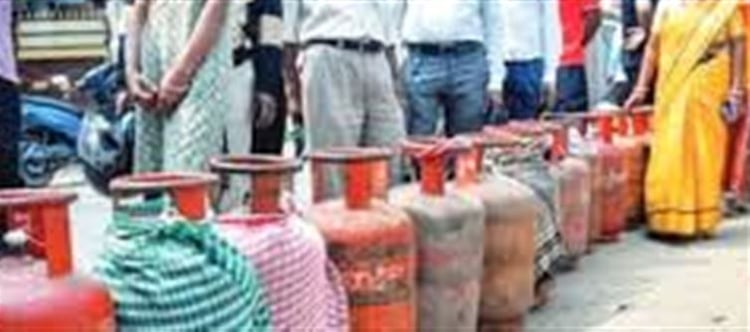

Amid recent reports of shortages of LPG (cooking gas) cylinders and induction cookers in parts of India, both the public and small businesses have been anxiously searching for alternatives — leading to long queues, rapid stock depletion in stores, and heightened panic among consumers. However, the government has stepped in with a clear message to the public: don’t panic-buy or rush to hoard cylinders or electric cookers.
Why the Anxiety Over LPG and Induction Cookers?
In recent days, concerns about disruptions to energy supplies have grown due to geopolitical tensions in West Asia — especially around the Strait of Hormuz, a key shipping route for oil and gas exports. This has caused uncertainty around LPG and LNG (liquefied natural gas) imports, which in turn has fueled consumer fear of shortages.
- Many households and businesses began panic booking cooking gas cylinders earlier than usual.
- In some cities and online platforms, induction cooktops have sold out quickly as people look for alternative cooking solutions.
- This combination of anxiety and panic buying has led to visible supply stress in stores and LPG agencies.
Government’s Core Message: Don’t Panic
1. Supplies Are Being Managed
The federal government and oil marketing companies have repeatedly assured the public that domestic LPG supplies remain stable and uninterrupted, and there’s no widespread shortage of cylinders for household use.
Officials have stated that refineries are operating at high capacity, and crude oil and gas inventories are being maintained to ensure steady deliveries.
2. Stop Panic Bookings and Hoarding
Authorities have appealed to consumers to avoid panic bookings — booking multiple LPG refills earlier than the normal interval — because this can disrupt the system and delay deliveries for others who genuinely need gas.
They have also warned against hoarding or black marketing of LPG cylinders and said enforcement actions are underway to prevent illegal stockpiling and unfair pricing.
3. Use Resources Wisely
In addition to calming fears about supply, the government is advising people to use LPG carefully and conserve fuel — which means cooking efficiently and avoiding wasteful practices.
Why Are Induction Cookers Also in High Demand?
Because of the perception of a gas shortage, many households have rushed to buy electric induction cooktops and other electric kitchen appliances as backups or permanent alternatives. In some areas, induction stoves have been selling out rapidly, and stocks are limited in both online and offline shops.
This rush has compounded the perception of scarcity — even though the underlying problem is more about consumer behaviour than actual supply collapse. The government’s message is essentially urging people not to treat induction cooktops as a replacement for cylinders out of panic, but rather as an option used thoughtfully.
What’s Being Done Behind the Scenes
Government agencies and state authorities are coordinating to ensure smooth supply chains and prevent law and order issues arising from panic-driven crowds.
Industry players are also working to curb black marketing and ramp up production where necessary, while urging the public to rely on official booking channels and avoid unofficial or hasty purchases.
What This Means for You
✅ Domestic LPG for households is being prioritised — so everyday cooking needs are expected to be met normally.
✅ Panic booking won’t improve supply and may actually delay deliveries.
✅ Buying induction cookers can be useful as a long-term energy-efficient option, but shouldn’t be driven by fear.
✅ Authorities are monitoring supply lines and cracking down on hoarding and misuse.
In Summary
The government’s repeated message — don’t chase cylinders or induction cookers out of panic — is based on a strategy to prevent shortages caused by human behaviour, not actual supply disruption. Officials want to reassure the public that LPG deliveries continue, and that thoughtful planning is better than panic-driven action.
Disclaimer:
The views and opinions expressed in this article are those of the author and do not necessarily reflect the official policy or position of any agency, organization, employer, or company. All information provided is for general informational purposes only. While every effort has been made to ensure accuracy, we make no representations or warranties of any kind, express or implied, about the completeness, reliability, or suitability of the information contained herein. Readers are advised to verify facts and seek professional advice where necessary. Any reliance placed on such information is strictly at the reader’s own risk.
 click and follow Indiaherald WhatsApp channel