


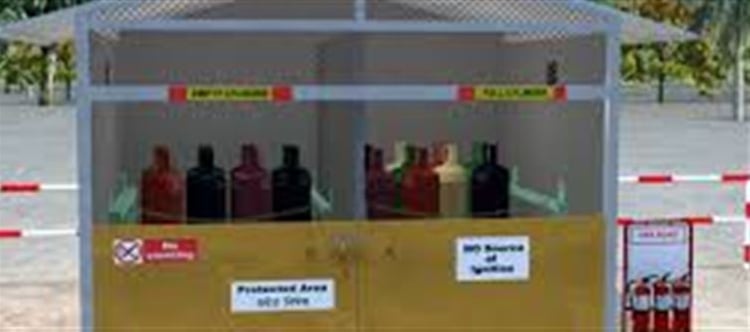

1. Standard Rule for Domestic Gas Cylinders
· For domestic households, the government allows a maximum of 2 active LPG cylinders per connection:
1. In-use cylinder – the one currently being used.
2. Reserve cylinder – the extra cylinder kept for backup.
· This applies across all major LPG providers: Indane, Bharat Gas, and hp Gas.
2. Restrictions on Extra Cylinder Storage
· Storing more than 2 cylinders is not permitted for domestic households.
· The law is aimed at preventing accidents, since LPG is highly flammable. Storing excess cylinders at home increases the risk of leaks, explosions, and fire hazards.
3. Consequences of Exceeding the Limit
a) Legal Penalties
· Exceeding storage limits may be treated as violating petroleum safety regulations.
· Authorities can confiscate extra cylinders and impose fines.
b) Safety Risks
· Increased fire hazard – more cylinders increase the potential intensity of a leak-related fire.
· Pressure build-up and leakage – improper storage can cause valve failures.
· Explosion risk – especially if cylinders are kept near heat sources, electrical devices, or in poorly ventilated areas.
4. Guidelines for Safe Storage
1. Keep cylinders upright – never lay them on the side.
2. Maintain distance from heat – keep away from stoves, electrical appliances, and direct sunlight.
3. Store in ventilated areas – avoid storing in enclosed rooms, basements, or near flammable materials.
4. Check regularly for leaks – use a soap solution on the valve; bubbles indicate leaks.
5. Do not store excess cylinders – adhere to the 2-cylinder rule for domestic use.
5. Summary
Aspect
Guideline
Max cylinders per household
2 (1 in use + 1 reserve)
Legal risk
Fine, confiscation if exceeded
Safety risk
Fire, leakage, explosion
Storage tips
Upright, ventilated, away from heat
Exceeding the allowed number of cylinders not only violates the law but also poses serious safety risks. The government strongly advises households to stick to the 2-cylinder limit and use cylinders responsibly.
Disclaimer:
The views and opinions expressed in this article are those of the author and do not necessarily reflect the official policy or position of any agency, organization, employer, or company. All information provided is for general informational purposes only. While every effort has been made to ensure accuracy, we make no representations or warranties of any kind, express or implied, about the completeness, reliability, or suitability of the information contained herein. Readers are advised to verify facts and seek professional advice where necessary. Any reliance placed on such information is strictly at the reader’s own risk.
 click and follow Indiaherald WhatsApp channel