



Sometimes, a single image is enough to ignite a larger conversation. Not because of what it shows, but because of what it represents. A recent poster linked to deportation messaging has done exactly that—placing one of India’s most iconic symbols in a context that many find uncomfortable, even unsettling. The result isn’t just criticism; it’s a broader debate about perception, response, and national image.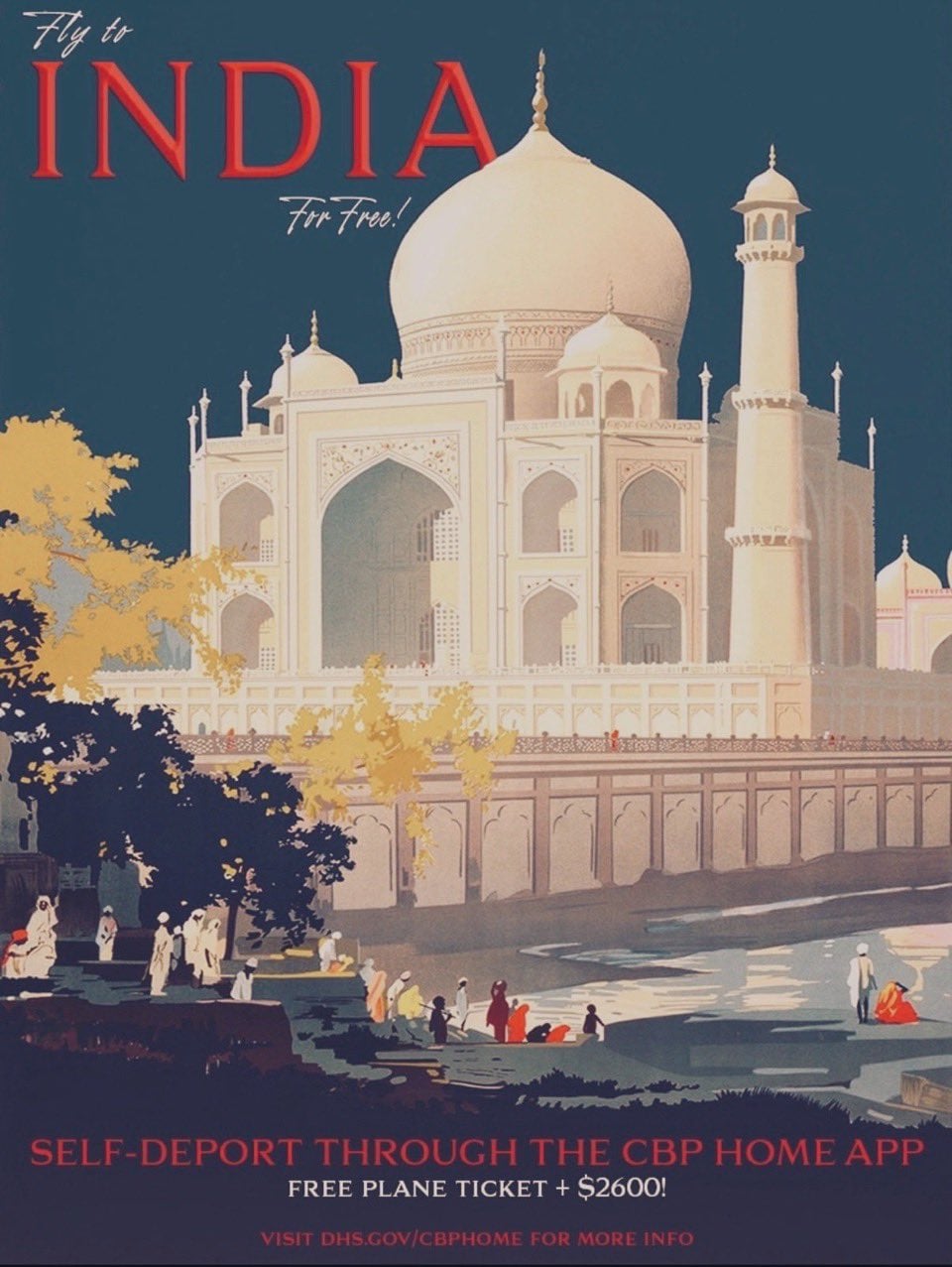
1. The Image That Started It All
A poster associated with deportation messaging has drawn attention for featuring the Taj Mahal. The choice of imagery has quickly become the focal point of the discussion.
2. Why It Feels Off
For many, the taj mahal isn’t just a monument—it’s a symbol of history, culture, and identity. Seeing it tied to a narrative around deportation creates a disconnect that’s hard to ignore.
3. Symbolism Matters
In global communication, visuals are never accidental. Every image carries meaning, and when that meaning feels misplaced, it invites scrutiny.
4. The Emotional Reaction
The response hasn’t just been analytical—it’s emotional. people are questioning why such an iconic representation of india is being used in a context that feels negative or sensitive.
5. The Silence Debate
Alongside criticism of the poster itself, there’s also a growing conversation around the lack of an official response. Some see this silence as restraint, while others interpret it as hesitation.
6. Image vs Reality
India’s positioning on the global stage often emphasizes leadership and influence. Incidents like this, however, bring up questions about how that image is perceived and defended internationally.
7. Optics in the wallet PLATFORM' target='_blank' title='digital-Latest Updates, Photos, Videos are a click away, CLICK NOW'>digital Age
In today’s hyper-connected world, visuals travel fast—and so do reactions. What might have once been a minor issue now becomes a global talking point within hours.
8. The Larger Conversation
Ultimately, this isn’t just about one poster. It’s about how nations are represented, how symbols are used, and how quickly narratives can shift when those symbols appear in unexpected contexts.
 click and follow Indiaherald WhatsApp channel