


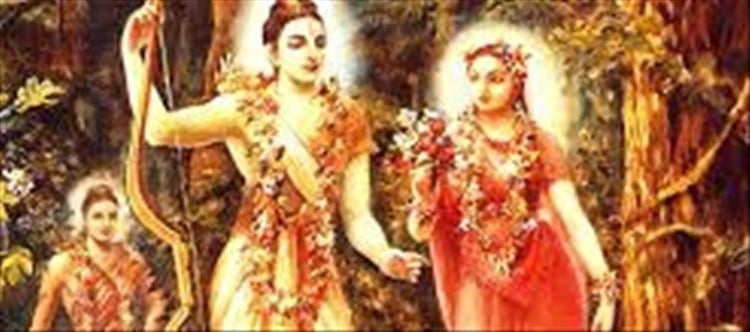

In Hindu thought, marriage is not seen only as a social contract, but as a sacred life-stage (sanskara) that supports personal growth, duty, and spiritual progress. It is deeply rooted in the framework of Dharmashastra and broader Vedic philosophy.
Marriage as a Sacred Duty (Dharma)
In Hindu philosophy, life is guided by dharma (righteous duty). marriage is considered an important part of fulfilling this duty because it helps individuals:
- Contribute to family and society
- Maintain continuity of lineage (family tradition)
- Support mutual responsibility between partners
Marriage is not only personal—it is seen as a social and spiritual responsibility.
The Concept of Grihastha Ashrama
Hindu life is traditionally divided into four stages, or ashramas. marriage belongs to the second stage:
- Brahmacharya – learning and discipline
- Grihastha – married life and household duties
- Vanaprastha – gradual withdrawal from material life
- Sannyasa – renunciation
The Grihastha Ashrama (householder stage) is considered the backbone of society because it supports all other stages.
Spiritual Purpose of Marriage
Marriage is not just about companionship—it is also viewed as a path for spiritual development.
Key ideas:
- Couples grow through shared responsibilities
- Life challenges become opportunities for inner growth
- Love is expressed through duty, respect, and sacrifice
It is believed that spiritual balance is achieved when both partners support each other’s dharmic path.
Marriage as a Partnership of Dharma
In Hindu tradition, marriage is often described as a sacred partnership, where both individuals:
- Share responsibilities equally
- Support each other’s moral and spiritual duties
- Work together for family welfare
It is not based only on emotion, but on commitment and shared values.
Role in Family and Society
Marriage is seen as the foundation of social structure because it:
- Ensures continuation of family traditions
- Provides emotional and economic stability
- Helps raise and guide the next generation
A strong family unit is considered essential for a stable society.
Spiritual Bond Beyond One Life
Some Hindu beliefs also describe marriage as a karmic connection, where:
- Partners may be linked through past-life karma
- The relationship helps resolve unfinished karmic lessons
- It supports spiritual evolution over lifetimes
Symbolism in Hindu Rituals
Marriage rituals include sacred symbols like:
- Fire (Agni) as witness to vows
- Seven steps (Saptapadi) representing shared promises
- Mantras invoking harmony and prosperity
These rituals emphasize the sacred and lifelong nature of the bond.
Conclusion
In Hindu philosophy, marriage is far more than a social arrangement. It is a sacred institution that integrates duty, family responsibility, and spiritual growth. Through shared dharma and mutual support, marriage becomes a path toward both worldly stability and spiritual development.
Disclaimer:
The views and opinions expressed in this article are those of the author and do not necessarily reflect the official policy or position of any agency, organization, employer, or company. All information provided is for general informational purposes only. While every effort has been made to ensure accuracy, we make no representations or warranties of any kind, express or implied, about the completeness, reliability, or suitability of the information contained herein. Readers are advised to verify facts and seek professional advice where necessary. Any reliance placed on such information is strictly at the reader’s own risk.
 click and follow Indiaherald WhatsApp channel