
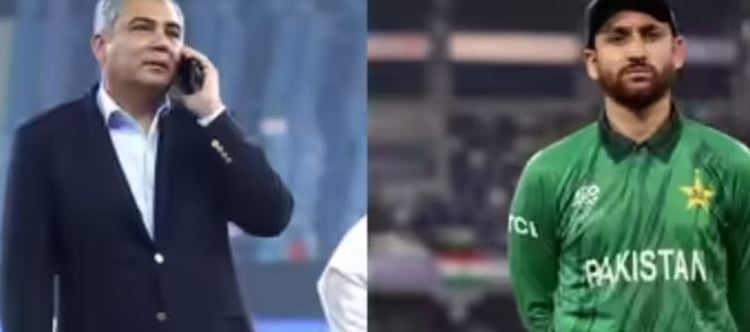


The pakistan cricket Board (PCB) is preparing for a major overhaul of the national t20 side.
Chairman Mohsin Naqvi has reportedly decided to remove salman ali Agha as captain, regardless of Pakistan’s final result in the icc t20 world cup 2026.
The decision follows internal dissatisfaction with the team’s inconsistent performances during the tournament.
Sources suggest Naqvi was assured by selectors and team management that the squad was ready for a deep World Cup run.
End of the Road for Senior Stars?
The captaincy change is expected to trigger a broader clean-up of the t20 squad.
Senior players, including Babar Azam and Usman Khan, may be nearing the end of their t20 international careers.
Babar, who has played 145 T20Is, faces possible exclusion unless he delivers standout performances in the remaining matches, including a crucial clash against the sri lanka national cricket team.
Head coach Mike Hesson had reportedly advised the board before the tournament that a transition toward younger, modern t20 specialists was necessary after the world cup cycle.
Successor Shortlist Emerges
With Salman’s tenure likely ending, PCB has begun identifying potential new leaders.
Shadab Khan is considered the frontrunner, reportedly backed by former captain shahid Afridi.
Shaheen Shah Afridi is also under consideration, having previously led the side before the captaincy returned to the middle order.
Campaign Under Scrutiny
PCB’s frustration stems from questionable tactics and inadequate preparation.
Naqvi was reportedly unhappy with the decision to field first in batting-friendly conditions during a key match.
Pakistan’s collapse in that game further damaged confidence within the board.
Although salman holds a respectable 61% win rate across 49 matches, repeated failures in high-pressure games—especially against India—have ultimately cost him board support.
Disclaimer:
The information contained in this article is for general informational purposes only. While we strive to ensure accuracy, we make no warranties or representations of any kind, express or implied, about the completeness, accuracy, reliability, suitability, or availability of the content. Any reliance you place on the information is strictly at your own risk. The views, opinions, or claims expressed in this article are those of the author and do not necessarily reflect the official policy or position of any organization mentioned. We disclaim any liability for any loss or damage arising directly or indirectly from the use of this article.
 click and follow Indiaherald WhatsApp channel