


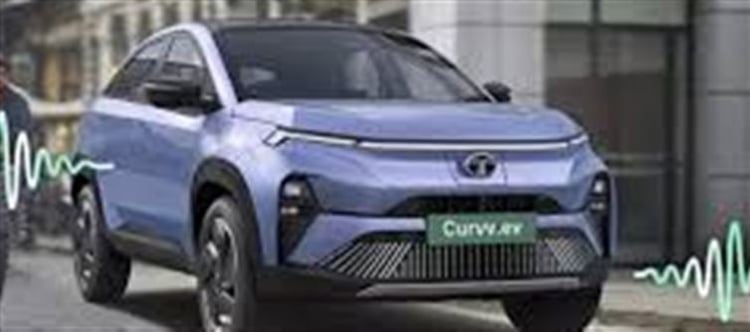

Electric vehicles (EVs) are known for their quiet operation, but sometimes drivers notice a humming, whining, or buzzing sound at low speeds. While it can be alarming at first, it’s usually a normal part of EV operation. Understanding the source of the sound can help you distinguish between normal and abnormal noises.
1. Electric Motor Noise
What It Is
The electric motor itself can produce a high-pitched hum or whine, especially at low speeds when the motor is operating under light loads.
Why It Happens
- At low speeds, torque is applied more gradually, which can make the motor sound more noticeable.
- EV motors are often direct-drive, so there’s no gearbox noise to mask it.
When to Worry
- If the hum is constant and smooth, it’s normal.
- If it is grinding, rattling, or changing with speed irregularly, it could indicate motor bearing issues or loose components.
2. Regenerative Braking Sounds
What It Is
Most EVs use regenerative braking to recharge the battery while slowing down. This system can produce a soft humming or whirring sound.
Why It Happens
- At low speeds, the transition between electric motor assist and regenerative braking can create a subtle noise.
- The hum is usually synchronous with deceleration.
When to Worry
- If the sound is abrupt, jerky, or accompanied by vibration, the regenerative braking system may need inspection.
3. Tire and Road Noise Amplified by Quiet Cabin
What It Is
EV cabins are quieter than ICE vehicles, so sounds from tires rolling over the road or wheel bearings can seem louder.
Why It Happens
- Low-speed humming may just be normal tire-road interaction, especially on textured surfaces.
- Noise can be amplified if tires are under-inflated or unevenly worn.
When to Worry
- Persistent humming regardless of road surface could indicate wheel bearing wear or misalignment.
4. Cooling System or Auxiliary Systems
What It Is
EVs have battery cooling systems, inverter fans, and AC compressors that may operate even at low speeds.
Why It Happens
- Electric fans or pumps generate a soft, steady hum as they maintain optimal battery and motor temperature.
- Noise is often more noticeable at low speed or idle, when other vehicle sounds are minimal.
When to Worry
- Sudden loud whirring, squealing, or knocking from the motor bay may indicate fan blockage or coolant pump issues.
5. External Sound Requirements
What It Is
In many regions, EVs are required to emit an Artificial Vehicle Sound (AVAS) at low speeds for pedestrian safety.
Why It Happens
- The hum you hear could simply be the safety sound generated by the vehicle.
- These sounds are often noticeable only under 30 km/h.
When to Worry
- If the sound stops abruptly or fluctuates, it could indicate a malfunction in the AVAS system, though this is rare.
⚠️ What You Should Do
Check your EV manual — most manufacturers note normal operational noises.
Monitor changes over time — unusual growth in hum, vibration, or roughness warrants inspection.
Inspect tires and wheel bearings regularly.
Visit authorized service if you notice grinding, irregular sounds, or motor warning lights.
Remember: some humming is completely normal in EVs and usually nothing to worry about, but safety always comes first.
🏁 Summary Table
Source of Humming
Speed Noticed
Normal / Concerning
Action
Electric motor
Low
Normal if smooth
None, monitor
Regenerative braking
Deceleration
Normal
Check if jerky
Tire-road noise
Low
Usually normal
Inspect tires/wheel bearings
Cooling/fans
Idle / Low
Normal
Service if loud or irregular
AVAS
<30 km/h
Normal
Service if inconsistent
Disclaimer:
The views and opinions expressed in this article are those of the author and do not necessarily reflect the official policy or position of any agency, organization, employer, or company. All information provided is for general informational purposes only. While every effort has been made to ensure accuracy, we make no representations or warranties of any kind, express or implied, about the completeness, reliability, or suitability of the information contained herein. Readers are advised to verify facts and seek professional advice where necessary. Any reliance placed on such information is strictly at the reader’s own risk.
 click and follow Indiaherald WhatsApp channel