
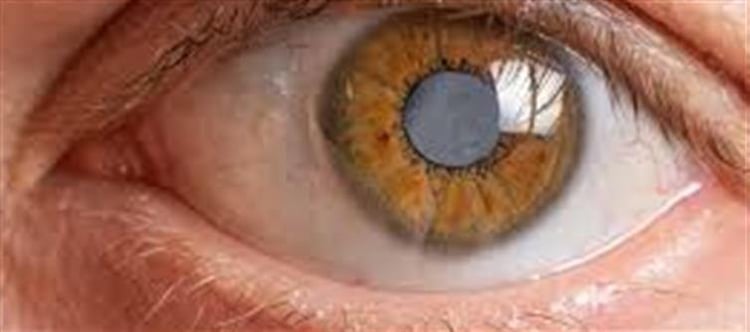


Temporary blindness in one eye, also called transient monocular vision loss (TMVL), is a sudden, short-term loss of vision in a single eye. While it may last only a few seconds to minutes, it is often a warning sign of an underlying health issue and should never be ignored.
1. What Causes Temporary Blindness in One Eye?
a) Ocular or Retinal Causes
· Retinal artery or vein blockage: A small clot or debris can temporarily cut off blood flow to the retina.
· Retinal detachment (partial): Early detachment or tears may cause brief vision loss.
· Ocular migraine: Sometimes vision is temporarily affected without headache.
b) Neurological Causes
· Transient ischemic attack (TIA) or “mini-stroke”: Can reduce blood flow to the eye via the carotid artery.
· Optic neuritis: Inflammation of the optic nerve can cause sudden vision changes, often associated with multiple sclerosis.
c) Other Factors
· Low blood pressure or sudden postural changes (orthostatic hypotension).
· Extreme stress or fatigue affecting blood flow to the eye.
· Eye trauma or high eye pressure (rare).
2. Symptoms to watch For
· Sudden partial or complete vision loss in one eye.
· Grey curtain, blurred spots, or flashing lights before vision loss.
· Vision loss usually resolves within minutes to hours.
· Accompanying symptoms may include headache, dizziness, weakness, or numbness, suggesting a neurological cause.
Even if vision returns quickly, it’s a medical emergency to determine the underlying cause.
3. Risk Factors
· Age over 50
· High blood pressure, diabetes, or high cholesterol
· Smoking
· history of stroke, heart disease, or carotid artery disease
· Family history of vascular or eye disorders
4. Diagnosis
A healthcare provider may perform:
· Comprehensive eye exam: Check retina, optic nerve, and blood flow.
· Carotid artery imaging: Detect blockages that could cause TMVL.
· Blood tests: Assess cholesterol, blood sugar, and clotting.
· Neurological evaluation: Rule out TIA or other brain issues.
· Ocular coherence tomography (OCT): Examine retina layers.
5. Treatment Options
a) Treating the Underlying Cause
· Carotid artery disease: Surgery or stenting may be needed.
· Blood clot risk: Blood-thinning medications can prevent future events.
· Eye-specific issues: Laser therapy, surgery, or medication for retinal problems.
b) lifestyle Adjustments
· Control blood pressure, diabetes, and cholesterol.
· Quit smoking and maintain a heart-healthy diet.
· Exercise regularly and manage stress.
6. When to Seek Immediate Medical Help
· Vision loss lasting more than a few minutes.
· Vision loss accompanied by weakness, facial droop, speech difficulty, or severe headache.
· Recurring episodes of temporary vision loss.
Prompt evaluation is critical to prevent permanent vision loss or stroke.
Bottom Line
Temporary blindness in one eye is often a warning sign of serious eye or vascular issues. Even brief episodes should never be ignored. Quick evaluation and treatment can prevent permanent vision loss and reduce the risk of stroke. Monitoring risk factors, managing chronic conditions, and seeking urgent medical care are the keys to protecting both eye and overall health.
Disclaimer:
The views and opinions expressed in this article are those of the author and do not necessarily reflect the official policy or position of any agency, organization, employer, or company. All information provided is for general informational purposes only. While every effort has been made to ensure accuracy, we make no representations or warranties of any kind, express or implied, about the completeness, reliability, or suitability of the information contained herein. Readers are advised to verify facts and seek professional advice where necessary. Any reliance placed on such information is strictly at the reader’s own risk.
 click and follow Indiaherald WhatsApp channel