


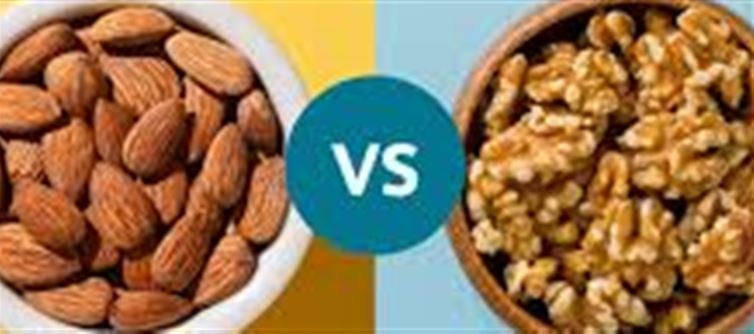

Nuts are more than just a tasty snack—they’re power-packed with nutrients that can help manage blood pressure and cholesterol levels. But when it comes to walnuts vs almonds, which one is better? Let’s break it down.
1. Nutritional Snapshot 🥗
Nut
Key Nutrients
Calories (per 28g)
Walnuts
Omega-3 fatty acids, antioxidants, magnesium, protein
~185
Almonds
Vitamin E, magnesium, fiber, protein
~160
- Walnuts: Rich in alpha-linolenic acid (ALA), a plant-based omega-3, which supports heart health.
- Almonds: Packed with vitamin E and soluble fiber, which helps reduce LDL cholesterol.
2. Impact on Blood Pressure 💓
- Walnuts: Omega-3 fatty acids help relax blood vessels, potentially lowering blood pressure.
- Almonds: magnesium and potassium can help regulate blood pressure effectively.
- Verdict: Both nuts help, but walnuts may have a slight edge for vascular health.
3. Effect on cholesterol Levels 🩺
- Walnuts: Can reduce total cholesterol and LDL (bad cholesterol) thanks to healthy fats.
- Almonds: Also reduce LDL cholesterol while maintaining HDL (good cholesterol).
- Verdict: almonds are slightly better for long-term cholesterol control, especially if eaten daily.
4. Other health Benefits 🌱
- Walnuts: Anti-inflammatory properties, brain health support, and antioxidants.
- Almonds: Promote weight management, improve skin health, and enhance digestion.
5. Best Way to Include Them in Your Diet 🍽️
- Eat a handful (20–30g) daily as a snack.
- Add to oatmeal, salads, or smoothies.
- Avoid candied or heavily salted nuts, which can negate health benefits.
✅ Final Takeaway
- Walnuts: Best for blood pressure and heart-healthy omega-3s
- Almonds: Best for cholesterol control and overall nutrition
- Pro tip: For optimal benefits, mix both nuts in your daily diet—they complement each other perfectly! 🥜💪
Disclaimer:
The views and opinions expressed in this article are those of the author and do not necessarily reflect the official policy or position of any agency, organization, employer, or company. All information provided is for general informational purposes only. While every effort has been made to ensure accuracy, we make no representations or warranties of any kind, express or implied, about the completeness, reliability, or suitability of the information contained herein. Readers are advised to verify facts and seek professional advice where necessary. Any reliance placed on such information is strictly at the reader’s own risk.
 click and follow Indiaherald WhatsApp channel