


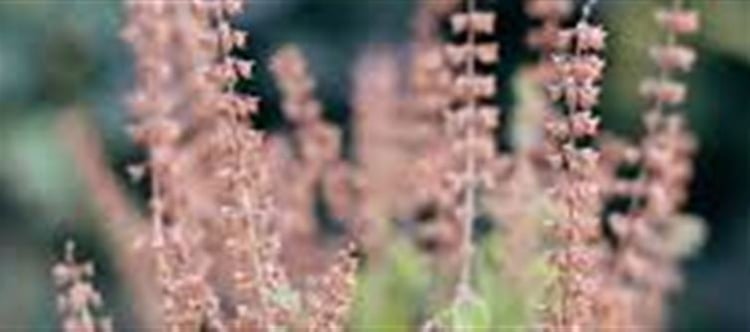

Tulsi, also known as Holy Basil, holds a revered place in indian culture and ayurveda for its spiritual, medicinal, and therapeutic properties. Among its many forms, Tulsi Manjari—the tender buds of the Tulsi plant—is considered especially sacred and potent. Traditionally used in worship, ayurveda, and daily rituals, Tulsi Manjari embodies both spiritual significance and health benefits.
Here’s a comprehensive look at why Tulsi Manjari is celebrated and how it can enrich both body and soul.
1. Spiritual Significance
Why It’s Sacred:
Tulsi is regarded as a manifestation of the goddess Tulsi, and offering its leaves or buds in worship is believed to bring divine blessings, protection, and prosperity.
Tulsi Manjari is often used in pujas, homas, and ritualistic offerings, symbolizing purity, devotion, and spiritual energy.
Cultural Context:
In Hindu households, Tulsi Manjari is offered in the morning to deities or family members, promoting harmony and auspiciousness.
It is believed that keeping Tulsi Manjari in homes ward off negative energies and attract positive vibrations.
2. Medicinal and Ayurvedic Benefits
Why It’s Healthful:
Tulsi Manjari carries concentrated bioactive compounds due to its tender buds, offering enhanced medicinal properties:
Boosts Immunity: Rich in antioxidants and antimicrobial compounds that help fight infections.
Supports Respiratory Health: Effective against cough, cold, and sinus congestion.
Reduces Stress: Known for adaptogenic properties, it calms the mind and reduces anxiety.
Detoxifies the Body: Supports liver function and helps eliminate toxins naturally.
Promotes Digestion: Enhances appetite, reduces bloating, and balances digestive fire.
Practical Tip:
Tulsi Manjari can be chewed fresh, brewed into tea, or added to warm water for a daily health boost.
3. Enhances Mental Clarity and Focus
Why It’s Beneficial:
The aromatic compounds in Tulsi Manjari stimulate the mind, improving alertness, concentration, and memory.
Traditionally used during meditation and study sessions to create a calm and focused mental state.
Cultural Context:
Students and spiritual practitioners often consume Tulsi Manjari tea or incense during study or meditation to enhance cognitive function and spiritual clarity.
4. Skin and beauty Benefits
Why It’s Useful:
Tulsi Manjari has anti-inflammatory and antibacterial properties, making it beneficial for acne, skin irritation, and blemishes.
Regular use in face packs, infused waters, or herbal tonics promotes healthy, glowing skin naturally.
Practical Tip:
Crush a few Tulsi Manjari buds with honey or sandalwood paste for a soothing, antibacterial face mask.
5. Ritualistic and Everyday Uses
Traditional Practices:
Placing fresh Tulsi Manjari buds in holy water, puja thalis, or prayer spaces enhances the sanctity of rituals.
Some families add Tulsi Manjari to drinking water or cooking for spiritual and health benefits.
In ayurveda, the buds are often dried and powdered for teas, decoctions, and herbal remedies.
Modern Adaptations:
Tulsi Manjari tea blends, capsules, or infused oils are becoming popular for daily wellness routines.
Bottom Line
Tulsi Manjari is more than just a sacred plant—it is a holistic gift for mind, body, and spirit. With its spiritual sanctity, medicinal properties, and mental wellness benefits, it embodies the profound wisdom of indian traditions.
By incorporating Tulsi Manjari into rituals, daily health practices, or mindful living, one can experience protection, vitality, and inner calm, honoring both cultural heritage and personal wellness.
Disclaimer:
The views and opinions expressed in this article are those of the author and do not necessarily reflect the official policy or position of any agency, organization, employer, or company. All information provided is for general informational purposes only. While every effort has been made to ensure accuracy, we make no representations or warranties of any kind, express or implied, about the completeness, reliability, or suitability of the information contained herein. Readers are advised to verify facts and seek professional advice where necessary. Any reliance placed on such information is strictly at the reader’s own risk.
 click and follow Indiaherald WhatsApp channel