


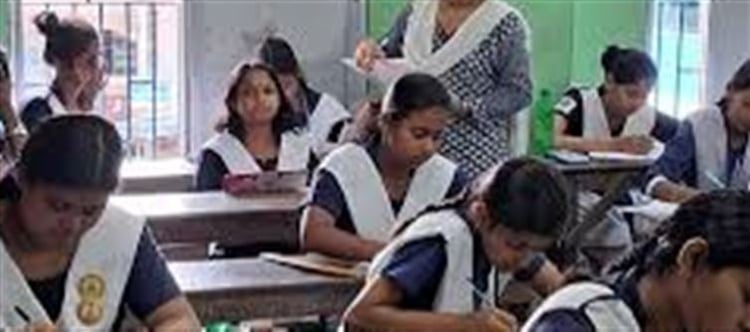

The Central Board of Secondary education (CBSE) has rolled out significant changes for Class 10 students beginning with the 2026 board exams, impacting exam structure, eligibility, and certification. These updates are part of a broader strategy to improve fairness, flexibility, and student assessment under the National education Policy (NEP) 2020.
1. Dual Board Examinations System
From 2026 onwards, CBSE will conduct two Class 10 board examinations each academic year:
- First Board Exam: Conducted early in the year (February–March).
- Second Board Exam: Conducted later (May–June) as an optional improvement attempt for students wishing to raise their subject scores.
This move gives students a second chance within the same year to perform better, reducing stress and offering greater flexibility.
2. Mandatory Appearance Rule
CBSE has clarified that all students must appear in the first board examination held in February–March. students who fail to appear in at least three subjects in the first attempt will not be allowed to sit for the second exam. Instead, they will fall under the “Essential Repeat” category and must reappear in the main examination the following year.
This rule ensures that students cannot skip the primary exam and move directly to the improvement chance.
3. Passing Certificate Availability & wallet PLATFORM' target='_blank' title='digital-Latest Updates, Photos, Videos are a click away, CLICK NOW'>digital Access
For Class 10 results 2026, CBSE has made the passing certificates and marksheets available digitally via its academic repository platform Parinam Manjusha. students will be able to download these documents online with their credentials once the results are declared.
This wallet PLATFORM' target='_blank' title='digital-Latest Updates, Photos, Videos are a click away, CLICK NOW'>digital availability means:
- Students can access their official passing certificates online without waiting for physical dispatch.
- Certificates downloaded from Parinam Manjusha are valid for admissions, higher education, and official verification.
4. What the Passing Certificate Means in 2026
The passing certificate confirms that a student has successfully completed Class 10 as per CBSE standards. Along with the certificate, the marksheet shows subject‑wise performance.
Previously, some students only received a physical marksheet that served as proof of passing. From 2026, certificates are formally made digitally retrievable and officially recognized, simplifying document access and reducing delays.
5. Minimum Passing Requirements Remain
To be eligible for a passing certificate, students must meet the standard passing criteria: achieving the minimum required marks set by CBSE in theory and practical/internal assessments as applicable. While specifics can vary by subject, the core idea remains consistent evaluation across all students.
6. Benefits of the New Rules
The 2026 changes aim to:
- Reduce exam stress by offering a second exam session.
- Provide fair opportunities for improvement without waiting a full year.
- Ensure quick and wallet PLATFORM' target='_blank' title='digital-Latest Updates, Photos, Videos are a click away, CLICK NOW'>digital access to key academic documents like passing certificates.
Overall, the shift reflects CBSE’s effort to modernize evaluation and certification while making the process more student‑centric.
7. Conclusion
The CBSE Class 10 2026 reforms mark a significant update in how students undertake board exams and receive their passing certificates. With the introduction of two exam chances, mandatory initial appearance rules, and wallet PLATFORM' target='_blank' title='digital-Latest Updates, Photos, Videos are a click away, CLICK NOW'>digital certificate access through Parinam Manjusha, the board is moving toward a more flexible and accessible education framework.
Disclaimer:
The views and opinions expressed in this article are those of the author and do not necessarily reflect the official policy or position of any agency, organization, employer, or company. All information provided is for general informational purposes only. While every effort has been made to ensure accuracy, we make no representations or warranties of any kind, express or implied, about the completeness, reliability, or suitability of the information contained herein. Readers are advised to verify facts and seek professional advice where necessary. Any reliance placed on such information is strictly at the reader’s own risk.
 click and follow Indiaherald WhatsApp channel