
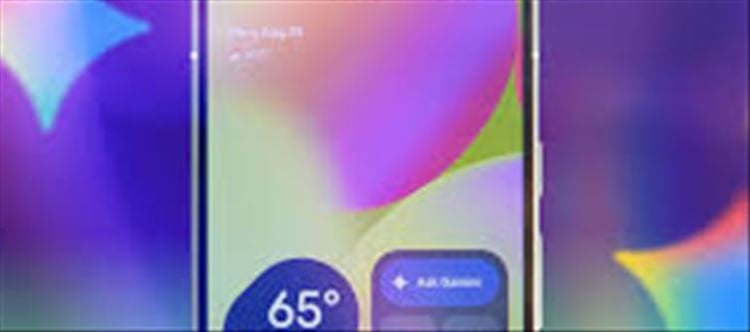


Recent reports suggest that Google’s upcoming Gemini Intelligence features may not support many older Pixel phones and samsung Galaxy devices, even if they currently run normal gemini AI. This has raised concerns about “AI feature exclusivity” and whether older premium phones are being left behind.
What Is gemini Intelligence?
Gemini Intelligence is Google’s new AI upgrade layer for Android that goes beyond a chatbot. It is designed to make Android more “agent-like” and proactive.
It can include features such as:
Automated multi-step task handling (booking, ordering, form filling)
Smarter voice typing and dictation
AI-generated widgets and UI personalization
Deeper integration with google apps and system tools
It is positioned as a premium AI experience, not just a standard assistant.
Which Devices May Be Excluded?
According to recent industry reports, gemini Intelligence may require very high-end hardware:
Minimum expected requirements:
Flagship-level processor
At least 12 GB RAM
Support for advanced on-device AI models (like gemini Nano v3 or higher)
Because of this, many older devices may be excluded.
Likely affected devices:
Older google Pixel phones
Pixel 8 series and earlier (in many reports)
Pixel 7 and older models
Some Pixel 9 variants depending on RAM/model tier
Samsung Galaxy devices
Galaxy S23 series and older (likely excluded from full features)
Some Galaxy S24 variants (partial support possible)
Only newest Ultra/flagship S-series expected to fully support it
A report notes that even Pixel 9 series and some recent foldables may miss full support due to ram and AI core limitations .
Why Are Older Phones Being Skipped?
1. Hardware limits (biggest reason)
Gemini Intelligence relies heavily on on-device AI processing, which needs:
High ram (12GB+)
Powerful NPUs (AI chips)
Faster memory bandwidth
Older phones simply can’t handle these workloads efficiently.
2. On-device AI models are getting heavier
Google’s newer AI system (Gemini Nano variants) is becoming more advanced, and each version requires better hardware support.
This creates a gap:
Basic gemini = cloud-based, works on many phones
Gemini Intelligence = hybrid/on-device AI, needs premium hardware
3. Strategy: premium feature differentiation
Like most tech companies, google appears to be:
Keeping advanced AI features for newer devices
Encouraging hardware upgrades
Differentiating flagship phones from older ones
Important Clarification: gemini App ≠ gemini Intelligence
Many users get confused here:
Feature
Works on older phones?
Gemini app (chatbot)
✅ Yes (many Android 10+ devices)
Gemini Assistant basic features
⚠️ Mostly yes
Gemini Intelligence (advanced AI system)
❌ Likely limited to new flagship devices
Even older Pixels can still run gemini as a chatbot, but not the full advanced AI system.
What This Means for Users
If you have an older Pixel or Samsung:
You will still get normal AI assistant features
But not the newest “agentic AI” capabilities
Some features may only work in cloud mode or be unavailable
If you plan to upgrade:
New Pixel (Pixel 10 series or newer likely)
Samsung Galaxy S26 series and above (as per leaks)
Is This Really “Skipping” Devices?
Not exactly. It’s more accurate to say:
👉 google is limiting advanced AI features to high-performance devices, not removing gemini completely.
Final Takeaway
The concern is valid: Gemini Intelligence will likely not reach many older Pixel and samsung phones, even if they are still powerful devices.
However:
Basic gemini AI will still work on many older Android phones
Only the most advanced AI automation features are being restricted
The main reason is hardware demand, not just software policy
Disclaimer:
The views and opinions expressed in this article are those of the author and do not necessarily reflect the official policy or position of any agency, organization, employer, or company. All information provided is for general informational purposes only. While every effort has been made to ensure accuracy, we make no representations or warranties of any kind, express or implied, about the completeness, reliability, or suitability of the information contained herein. Readers are advised to verify facts and seek professional advice where necessary. Any reliance placed on such information is strictly at the reader’s own risk.
 click and follow Indiaherald WhatsApp channel