


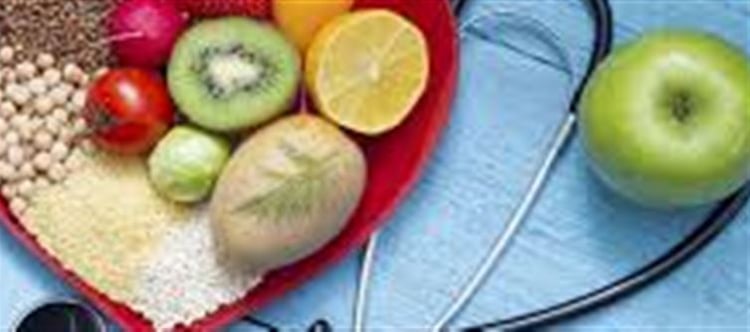

High cholesterol is a silent health risk that can lead to heart disease, stroke, and other cardiovascular problems. The good news is that you can manage your cholesterol naturally through lifestyle changes, diet, and regular activity. Here are practical tips to help you maintain healthy cholesterol levels.
1. Adopt a Heart-Healthy Diet
What you eat plays a major role in cholesterol levels:
- Increase soluble fiber: Foods like oats, barley, lentils, apples, and flaxseeds help reduce LDL (“bad” cholesterol).
- Choose healthy fats: Replace saturated fats (butter, ghee, fatty meats) with monounsaturated and polyunsaturated fats from olive oil, nuts, and avocado.
- Eat more fruits and vegetables: Rich in antioxidants, they help protect your heart and improve overall lipid profile.
- Include fatty fish: Salmon, mackerel, and sardines provide omega-3 fatty acids, which help lower triglycerides and boost HDL (“good” cholesterol).
2. Maintain a Healthy Weight
Carrying extra weight, especially around the abdomen, can increase LDL cholesterol and triglycerides while lowering HDL. Even losing 5–10% of your body weight can have a significant positive effect on cholesterol levels.
3. Exercise Regularly
Physical activity helps improve cholesterol and heart health:
- Aim for at least 150 minutes of moderate-intensity exercise per week, such as brisk walking, cycling, or swimming.
- Incorporate strength training twice a week to support metabolism and cardiovascular health.
- Even simple habits like taking stairs, walking after meals, or stretching at home make a difference.
4. Limit Refined carbs and Added Sugars
Excess sugar and refined carbohydrates (white bread, pastries, sugary drinks) can raise triglycerides and lower HDL. Focus on whole grains, legumes, and fresh produce for sustained energy and better cholesterol management.
5. Avoid Tobacco and Limit Alcohol
- Smoking lowers HDL (“good” cholesterol) and damages blood vessels. Quitting improves lipid profiles within weeks.
- Alcohol in excess can increase triglycerides and blood pressure. Moderate consumption (1 drink per day for women, 2 for men) or avoidance is best.
6. Include Natural Cholesterol-Lowering Foods
Some foods have specific cholesterol-lowering properties:
- Garlic: Can modestly reduce LDL.
- Green tea: Rich in catechins that support heart health.
- Nuts: Almonds, walnuts, and pistachios improve HDL and lower LDL.
- Legumes: Beans, chickpeas, and lentils help lower overall cholesterol.
7. Manage Stress and Sleep Well
Chronic stress and poor sleep can affect lipid metabolism.
- Practice relaxation techniques such as yoga, meditation, or deep breathing.
- Aim for 7–9 hours of quality sleep each night to support heart and metabolic health.
Final Thoughts
Balancing cholesterol naturally requires consistent lifestyle choices rather than quick fixes. By adopting a heart-healthy diet, staying active, managing weight, and reducing stress, you can improve your cholesterol levels, lower heart disease risk, and boost overall well-being.
Disclaimer:
The views and opinions expressed in this article are those of the author and do not necessarily reflect the official policy or position of any agency, organization, employer, or company. All information provided is for general informational purposes only. While every effort has been made to ensure accuracy, we make no representations or warranties of any kind, express or implied, about the completeness, reliability, or suitability of the information contained herein. Readers are advised to verify facts and seek professional advice where necessary. Any reliance placed on such information is strictly at the reader’s own risk.
 click and follow Indiaherald WhatsApp channel