


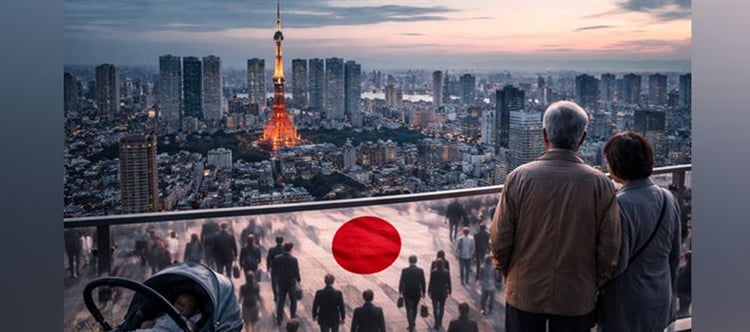

Japan is facing a demographic reality that’s becoming harder to ignore — and harder to reverse.
The numbers alone tell a stark story. In 2025, just over 700,000 babies were born, while deaths crossed 1.6 million. That’s not just a gap — it’s a widening gulf. The population shrank by nearly 900,000 people in a single year, marking one of the steepest natural declines on record. What demographers expected to happen decades later is already unfolding now.
And this isn’t a one-off trend. Nearly 30% of Japan’s population is already over the age of 65. The working-age population is steadily shrinking, placing increasing pressure on the economy, healthcare systems, and long-term sustainability.
Faced with this, governments typically look at two broad solutions: encourage higher birth rates or allow more immigration.
Japan tried first. Billions have been committed to family support and birth incentives. But so far, the results have fallen short, with birth rates continuing to decline despite significant spending.
At the same time, policies around long-term residency and citizenship have become more demanding. Requirements are stricter, timelines longer, and approvals remain highly selective. For many considering a future in Japan, the process can feel uncertain and complex.
This creates a tension at the heart of the issue.
On one hand, there’s a clear demographic challenge — fewer young people, fewer workers, and a rapidly aging society. On the other hand, there’s a cautious approach toward large-scale immigration and integration.
Every country balances these priorities differently. For Japan, the path forward involves navigating economic needs, social preferences, and long-term planning all at once.
The bigger question isn’t whether change is needed — that’s already clear.
It’s how that change will take shape in the years ahead.
 click and follow Indiaherald WhatsApp channel