



A World Inches Away from the Unthinkable
For a brief, chilling moment, the world seemed to hover on the edge of catastrophe. Escalating threats, retaliatory warnings, and a fragile ceasefire created a sense that something far worse could unfold at any second. Whether it was calculated restraint or sheer unpredictability that prevented a larger disaster, one thing is clear — global diplomacy was pushed to its limits.
💥 1. The Brinkmanship That Shook the World
Tensions between the united states and iran escalated rapidly, with rhetoric on both sides hinting at consequences far beyond conventional conflict. The fear wasn’t just war — it was escalation spiraling into something irreversible.
⚡ 2. Ceasefire or Pause Button?
The 14-day ceasefire offered breathing room, but not certainty. It felt less like a resolution and more like a temporary pause in a high-stakes standoff where the next move could change everything.
🌍 3. An Unexpected Diplomatic Player Emerges
In a twist few anticipated, pakistan stepped into a mediating role during a deeply volatile moment. Despite its internal and economic challenges, it found itself positioned as a channel for dialogue when it mattered most.
📉 4. India’s Missed Moment on the Global Stage
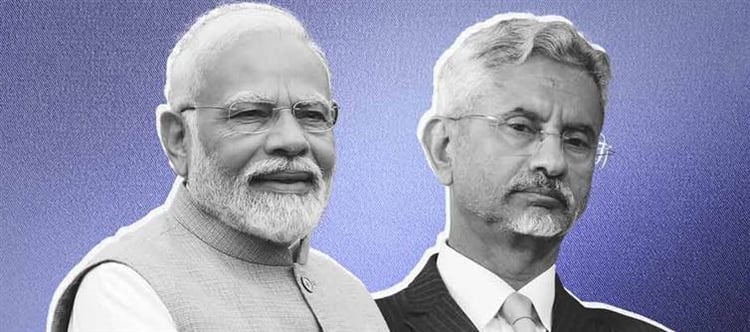
India, once seen as a leading voice of the Global South, appeared less assertive during the crisis. Questions emerged over whether its positioning diluted its traditional stance of strategic balance and moral leadership.
⚖️ 5. Optics vs Strategic Depth
Diplomacy isn’t built on headlines or symbolic gestures alone. When foreign policy leans too heavily on perception rather than calibrated strategy, gaps begin to show — especially during crises.
🛢️ 6. The Real Stakes: Oil, Power, and Pressure Points
Beyond ideology and alliances, economic realities — particularly energy routes and markets — remained central. Strategic chokepoints and resource dependencies quietly shaped decisions behind the scenes.
🧠 7. Leadership, Ego, and Consequences
Global crises often expose how leadership styles influence outcomes. Decisions driven by personal conviction, political legacy, or strategic calculation can either stabilize or destabilize already fragile situations.
FINAL TAKE — A Lesson the World Can’t Ignore
This episode wasn’t just about conflict — it was about how close miscalculation can bring the world to the edge. The lesson is stark: diplomacy requires balance, restraint, and credibility. Without them, even a momentary crisis can threaten to become something far more permanent.
 click and follow Indiaherald WhatsApp channel