
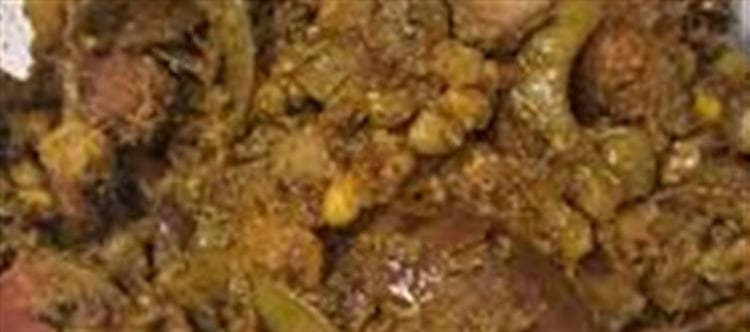


Uttarayan, the kite-flying festival of Gujarat, isn’t complete without the traditional winter delicacy — Undhiyu. This iconic dish, usually a mix of vegetables, spices, and aromatic flavors, is a celebration of Gujarati culinary artistry. While traditionally made with seasonal winter produce, you can transform Undhiyu into a rich, all-vegetable version that is both hearty and festive.
🥕 What Makes Undhiyu Special?
- Seasonal Roots: Traditionally prepared with winter vegetables like surti papdi (flat beans), purple yam (ratalu), green beans, brinjals, and raw banana.
- Unique Cooking Technique: Slow-cooked in a clay pot upside down (“Undhiyu” literally means “upside down”), allowing flavors to mingle and intensify.
- Festive Flavor: Aromatic spices, coconut, sesame seeds, and jaggery combine for a sweet-salty-spicy symphony, perfect for celebrating Uttarayan.
💡 Tip: The key to authentic Undhiyu is slow cooking and layering flavors carefully.
🥦 Ingredients for a Veg Uttarayan Undhiyu
For a vegetarian, winter-friendly Undhiyu, you will need:
Vegetables:
- 250g Surti papdi (flat beans)
- 200g Purple yam (ratalu), cubed
- 2 Raw bananas, chopped
- 2 Brinjals (small eggplants)
- 100g Green peas
- 100g Sweet potato, diced
For the Masala:
- ½ cup grated coconut
- 2 tbsp sesame seeds
- 2 tbsp coriander powder
- 1 tsp cumin powder
- 1 tsp red chili powder
- ½ tsp turmeric powder
- 1 tsp hing (asafoetida)
- 1-2 tbsp jaggery
- 2 tbsp oil (preferably peanut or mustard oil)
- Salt to taste
Garnish:
- Fresh coriander leaves, chopped
- Lemon wedges
🍲 Step-by-Step Cooking Process
1. Prepare the Vegetables
- Wash and cut all vegetables into uniform pieces for even cooking.
- Blanch beans and peas lightly to retain their color and crunch.
- Optional: Brush brinjals and raw bananas with oil and turmeric to reduce bitterness and add flavor.
2. Make the masala Paste
- Grind coconut, sesame seeds, jaggery, and spices into a smooth paste.
- This masala is the heart of the dish, infusing every vegetable with rich, aromatic flavors.
3. Stuff the Vegetables
- Carefully stuff brinjals and raw bananas with the masala paste.
- Layer other vegetables with remaining masala, ensuring each piece is coated evenly.
4. Slow Cooking (Key Step!)
- Traditionally, Undhiyu is cooked upside down in an earthen pot.
- If using a regular pan, add a little water at the base, cover tightly, and cook on low flame for 30-40 minutes.
- Stir gently once or twice to avoid breaking the stuffed vegetables.
5. Final Touches
- Check seasoning and adjust salt or jaggery for a perfect sweet-salty balance.
- Garnish with fresh coriander leaves and a squeeze of lemon juice.
💡 Tip: Serve Undhiyu hot with puris or rotis, or even as a side with khichdi for a winter comfort meal.
🌿 Variations for a Modern Twist
- Mixed Vegetable Undhiyu: Add carrots, beans, and bell peppers for extra color and nutrition.
- Low-Oil Version: Steam vegetables and layer with masala, reducing oil while keeping the flavors intact.
- Instant Undhiyu: Use a pressure cooker to reduce cooking time, but maintain low heat after the first whistle for slow flavor infusion.
🎉 Why This Dish is Perfect for Uttarayan
- Celebratory Yet Healthy: Packed with fiber, vitamins, and antioxidants from seasonal vegetables.
- Traditional Touch: Honors the Gujarati culinary heritage.
- Family-Friendly: Can be made in large batches for festive gatherings.
- Instagram-Worthy: Vibrant colors of vegetables make it visually stunning on the table.
🏁 Pro Tips for a Perfect Veg Undhiyu
Use fresh, firm vegetables to prevent mushiness.
Layer masala instead of mixing everything at once.
Cover and cook slowly on low flame — rushing this step loses the authentic taste.
Serve hot and immediately; the flavors are best when fresh.
🥘 Final Thought
This Uttarayan Special Veg Undhiyu isn’t just a dish; it’s a celebration of winter produce, festive spirit, and Gujarati tradition. With careful layering of spices, stuffing, and slow cooking, this recipe transforms humble winter vegetables into a kingly feast.
Disclaimer:
The views and opinions expressed in this article are those of the author and do not necessarily reflect the official policy or position of any agency, organization, employer, or company. All information provided is for general informational purposes only. While every effort has been made to ensure accuracy, we make no representations or warranties of any kind, express or implied, about the completeness, reliability, or suitability of the information contained herein. Readers are advised to verify facts and seek professional advice where necessary. Any reliance placed on such information is strictly at the reader’s own risk.
 click and follow Indiaherald WhatsApp channel